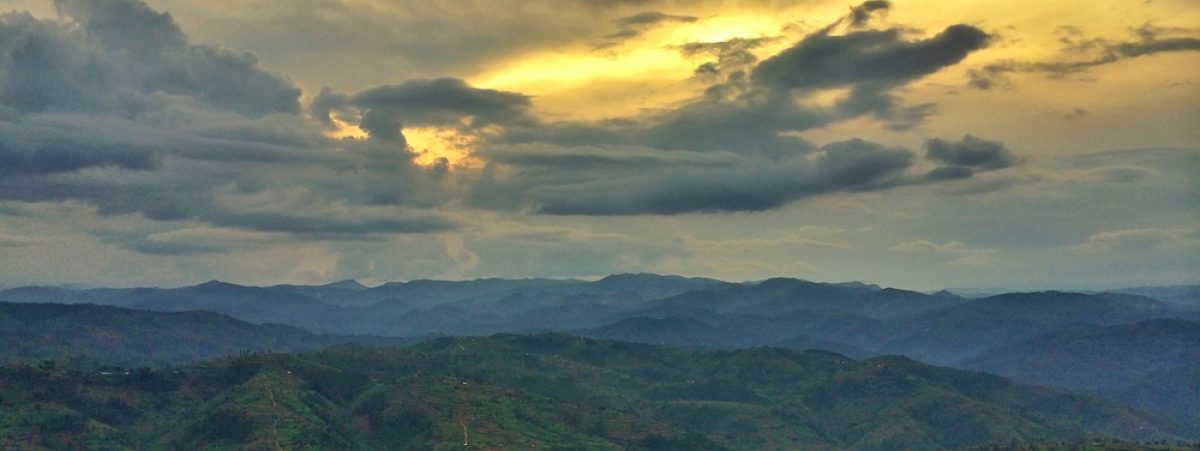
Water

Before coming here, I knew having both running water and electricity were slim. I have electricity, but no running water. I didn’t have electricity during my first month, which was challenging, especially when the sun sets everyday at 6:30p.


Water is another problem. As volunteers, we’re always so curious to know what other people’s “water situations” are. Who has a spigot? Is it in their house? Outside? In the village? The lucky ones have one in their house, the not so lucky ones have to walk up/down a hill to fetch water or hire someone to get it for them.


Like the locals here, I use jerry cans to transport and store my water. They can hold 20L and weigh 44 lbs when full. It’s physically exhausting to transport water to my house, but luckily, the spigot is only 50m meters away and downhill when walking back home.
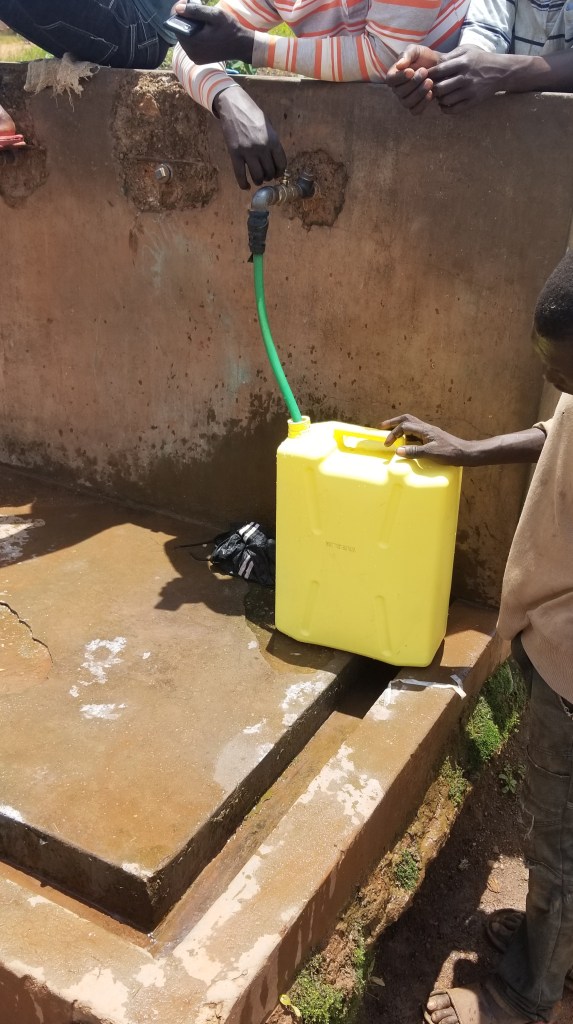
Filling up my jerry can at the local spigot!


So, how much does water cost here? It depends on where you live in Rwanda. Some of my friends have to pay 100-200 RWF for a full jerry can, which is roughly $.10 – .20 USD. However, when it’s the dry season it can get up to 1000 RWF (~$1 USD). I think I lucked out, because mine is only 30 RWF per can, which is only $.30. My dad joked that he’d cover my monthly water bill by sending me $3.00, which would get me 10 jerry cans!


Though the water is cheap through our American lens, it can be quite expensive for Rwandan families. Before coming here, we were told that cleanliness and hygiene is one of the most valued aspects of the culture. I never understood why until I went into the village life where I can see how water insecurity separates social classes. When water was scarce, I sacrificed my personal hygiene. I didn’t wash my clothes, I didn’t shower every day, and you could tell. I was disgusting. Not having a reliable source of water, especially during the dry season, took a huge psychological toll on me. I’m not religious, but I would pray for rain so I could collect rainwater off of my roof. I often find myself stressing out about how to ration it – do I wash dishes, clean my clothes/shoes, wash my hands, brush my teeth, shower? I never thought I’d sacrifice hygiene to the extent that I have, but here we are. Without a second thought, I prioritized my water to drink and cook. I even starting thinking of ways to change my lifestyle so I would use less water, for example, I tried finding ways to make food that required the least amount of dishes to wash, working out less so I wouldn’t have to shower, eating from the pan so I wouldn’t have to wash a plate, etc. On top of all of that, I’d recycle the water I used to do laundry and wash my dishes and vegetables with so I can flush my toilet. (I have a flushing toilet, but no running water).


I can see how water scarcity affects the families here – their clothes and shoes are dirty and smelly. They don’t have good hygiene. Having access to water is one of the most defining determinants of social class. The huge emphasis on cleanliness is a result of that.
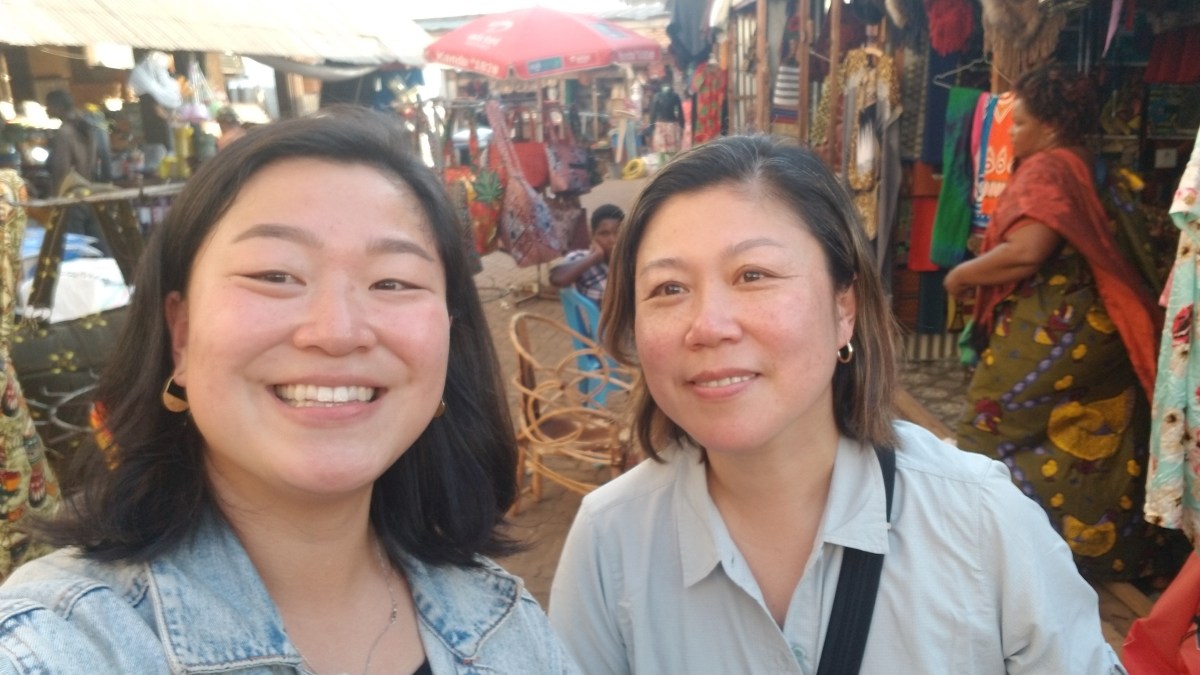
My Mom is Here!!

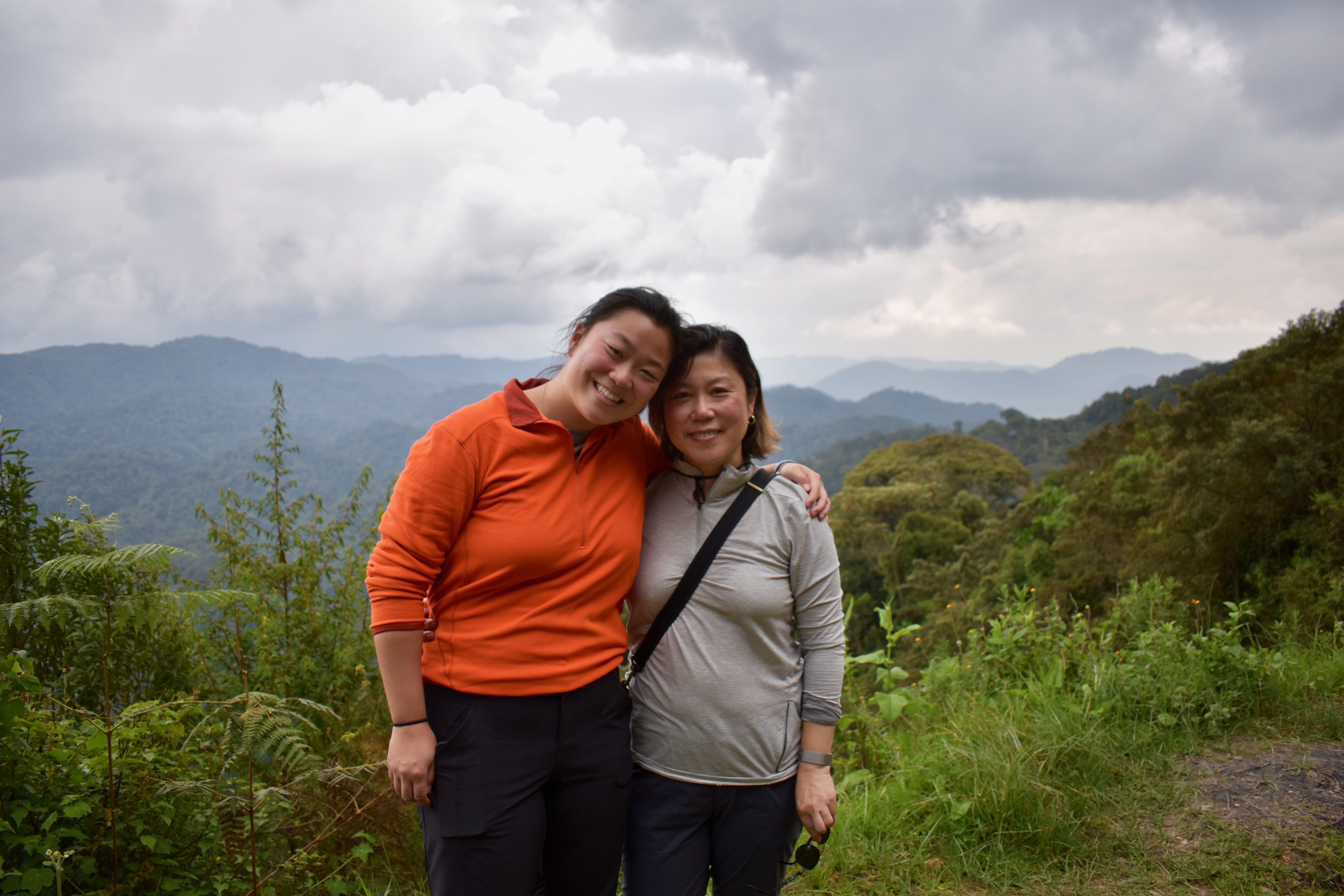
I just spent the last two weeks with my mom! This is what we’ve been up to.

I must be the luckiest Peace Corps Volunteer because my mom is here! She came with Partners In Health (PIH). PIH is a non-profit organization started by Dr. Paul Farmer and Dr. Jim Kim to help developing countries improve their health care system by making it more accessible to everyone. For a wonderful read, Mountains Beyond Mountains by Tracy Kidder beautifully illustrates their challenges making healthcare equitable and accessible in developing countries, such as Rwanda. 

The first week she and her PIH group were traveling around the country, visiting health centers, hospitals, and a medical university that PIH supports. I met up with my mom and her group in Kigali last Saturday for lunch. I typically go to bed around 9p, but I was so excited to see her that I was up until 2am. This has been the longest I’ve gone without seeing my family (5 months) and it was such a happy and emotional reunion. Many people on the PIH trip are parents (especially moms) and seeing my mom and I together hit them a special way. 

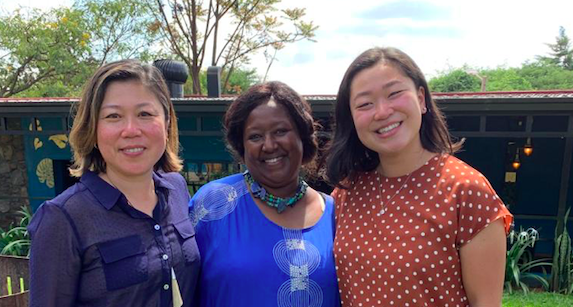
I wasn’t the only guest at the PIH lunch, we were joined by Dr. Anges Binagweaho. She’s Rwanda’s former Minster of Health, a Senior Lecturer in the Department of Global Health and Social Medicine at Harvard Medical School, and a Clinical Professor of Pediatrics at the Geisel School of Medicine at Dartmouth, to name a few of her titles. She is credited with turning around Rwanda’s health care system by insisting that health – in its physical, mental, and social facets – is a human right. She implemented national projects to encompass the fuller picture of health, ones that we are continuing at our health centers at the ground level. I felt like I met a celebrity!

Mom, Dr. Agnes, and Me!

My Mom and I spent our weekend in Kigali together – I thoroughly enjoyed leeching off the hotel room’s running water, hot water, showers, air conditioning etc. I loved every moment of it before I brought my mom back to my village life, where I don’t have any of those luxuries. 

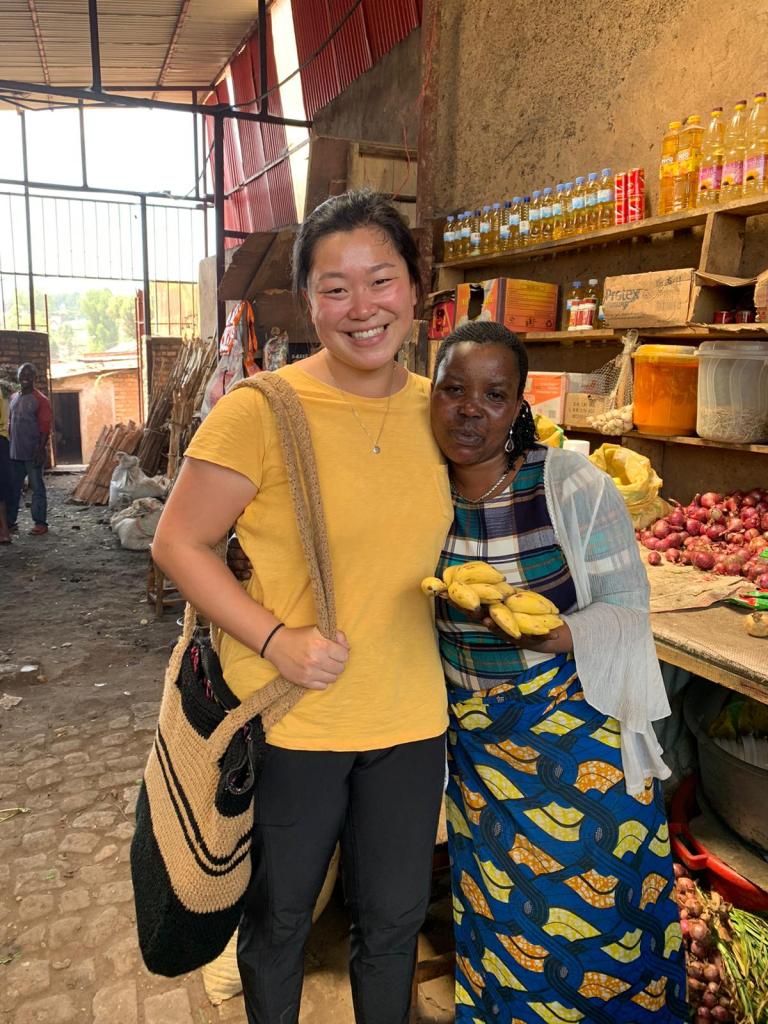
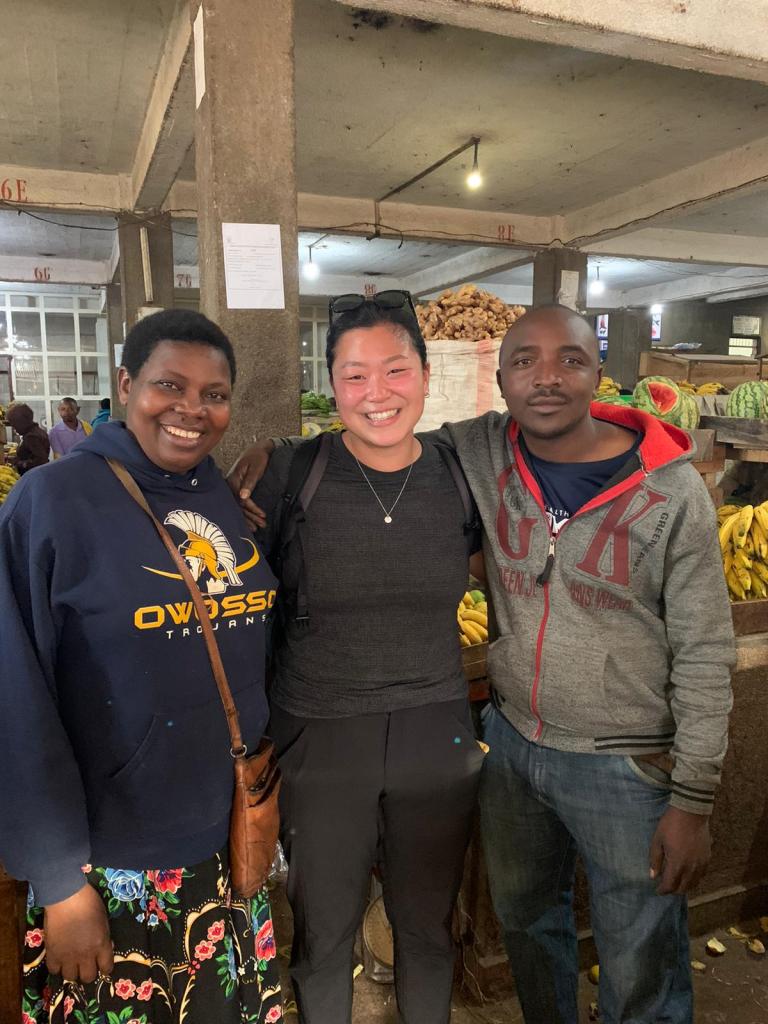
I showed her my house, health center, and market. Everyone was so eager to meet her! Vendors who I loyally buy all my fruit and vegetables from were so happy to welcome her. One of them gave us a papaya as a welcome gift. It brought my mom to tears seeing that in a few short months I’ve built these relationships. I’m happy that she got to see my life here. I think she’s a little jostled by how rough it is, but I’m glad I can share a small sliver of my life with her here. 

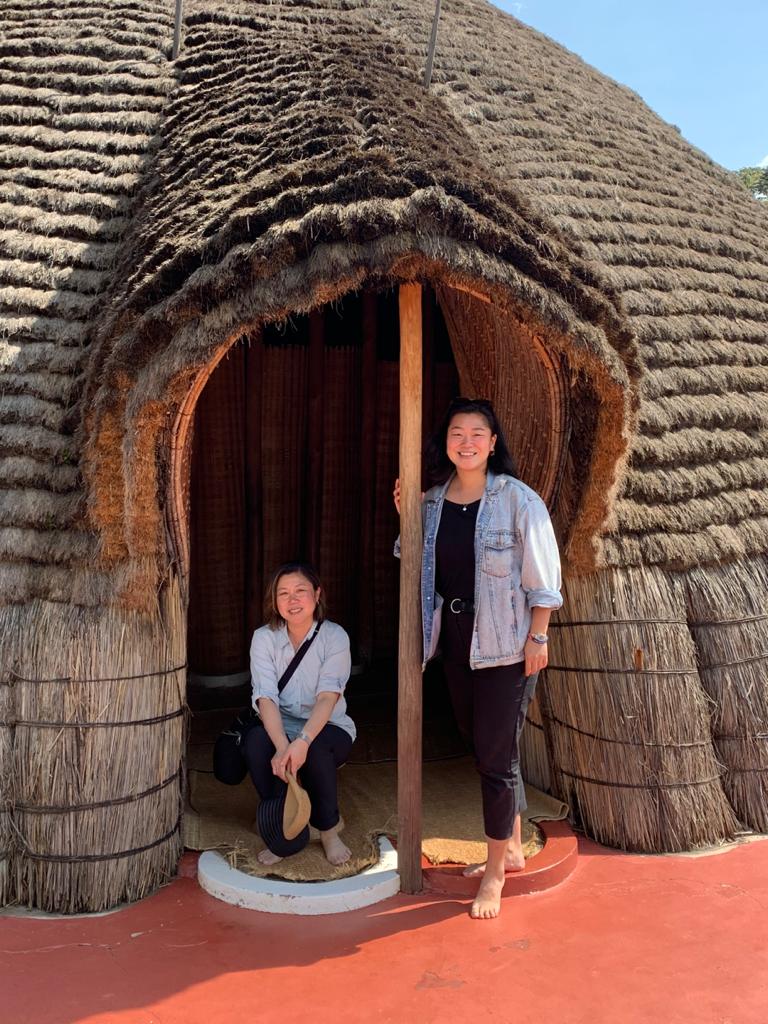
We made the most of our time together, despite the fact that I still have work at the health center. On our way from Kigali to my village, we stopped by the Nyanza district where the King’s Palace is. Rwanda’s royal family lived in Nyanza, until 1960 when they transitioned out of the monarchy. We learned that penultimate king was overruled by the Danish because he didn’t accept Catholicism and the Christian Church, but his youngest son did. He was appointed as the next king of Rwanda, while his father was forcefully removed, because he allowed the new religions to wash over the country. 

We’re at the King’s Palace. These replica hut was where the King lived. My Mom is sitting where the King would sit while I’m holding onto the Forgiveness Pole.

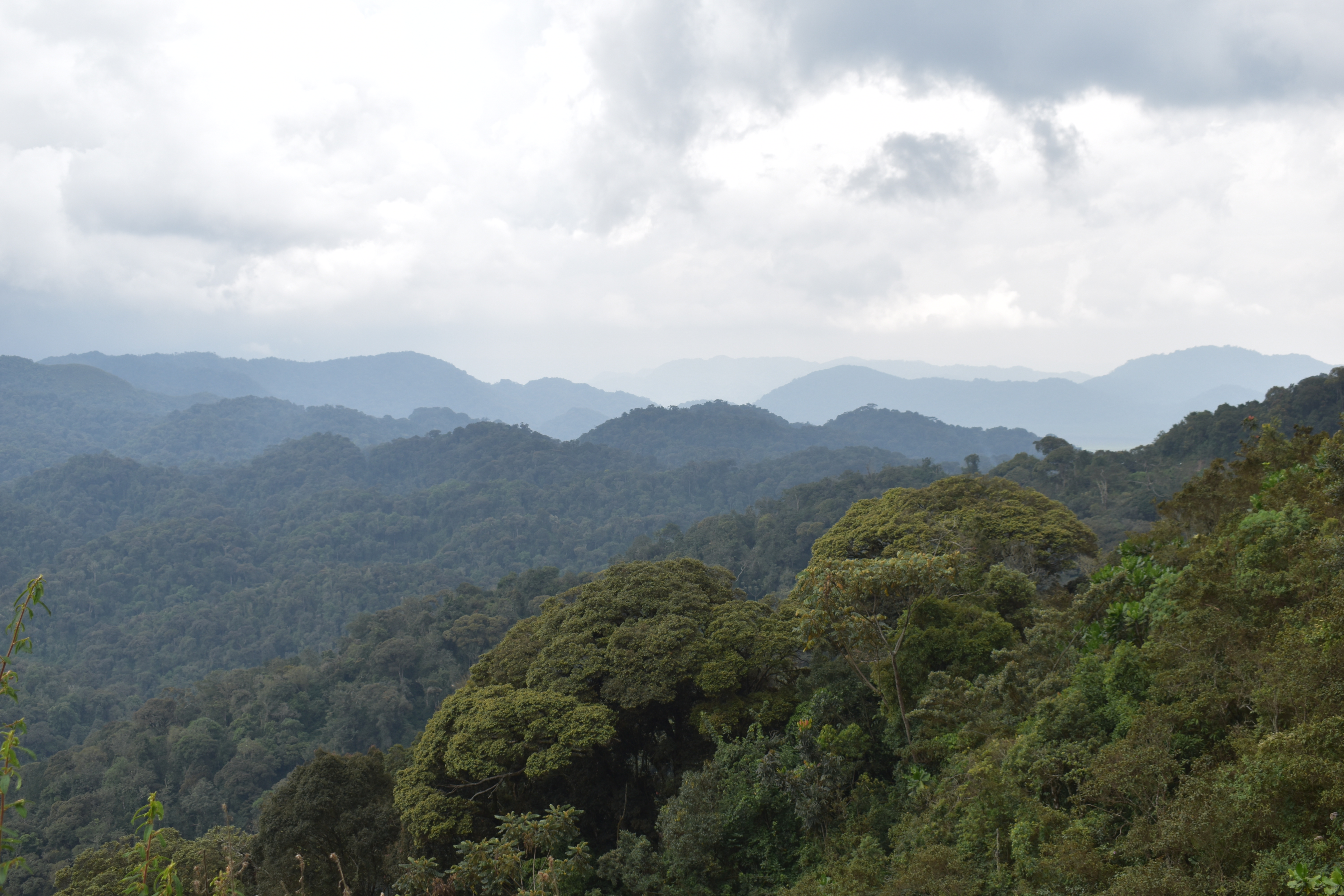
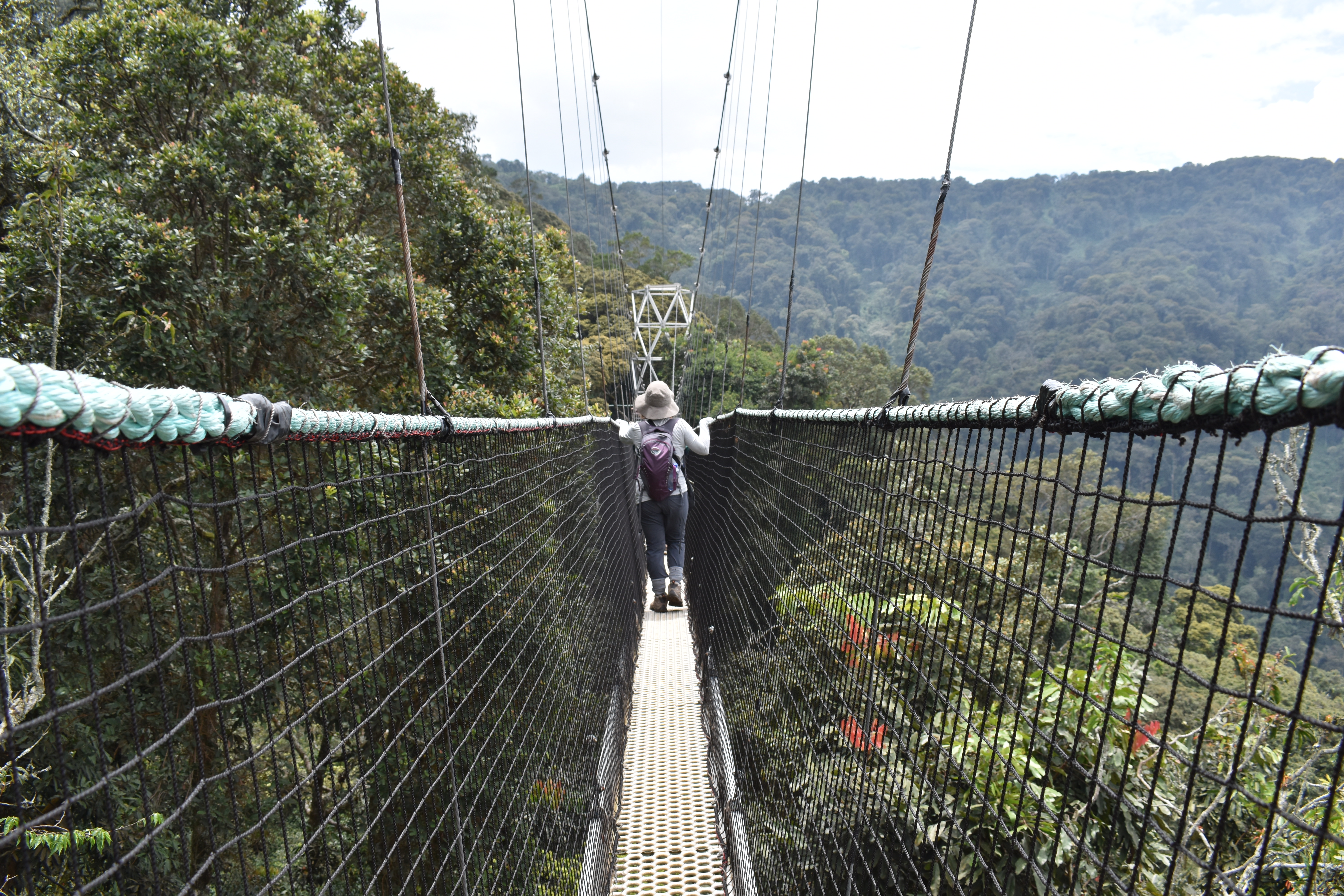
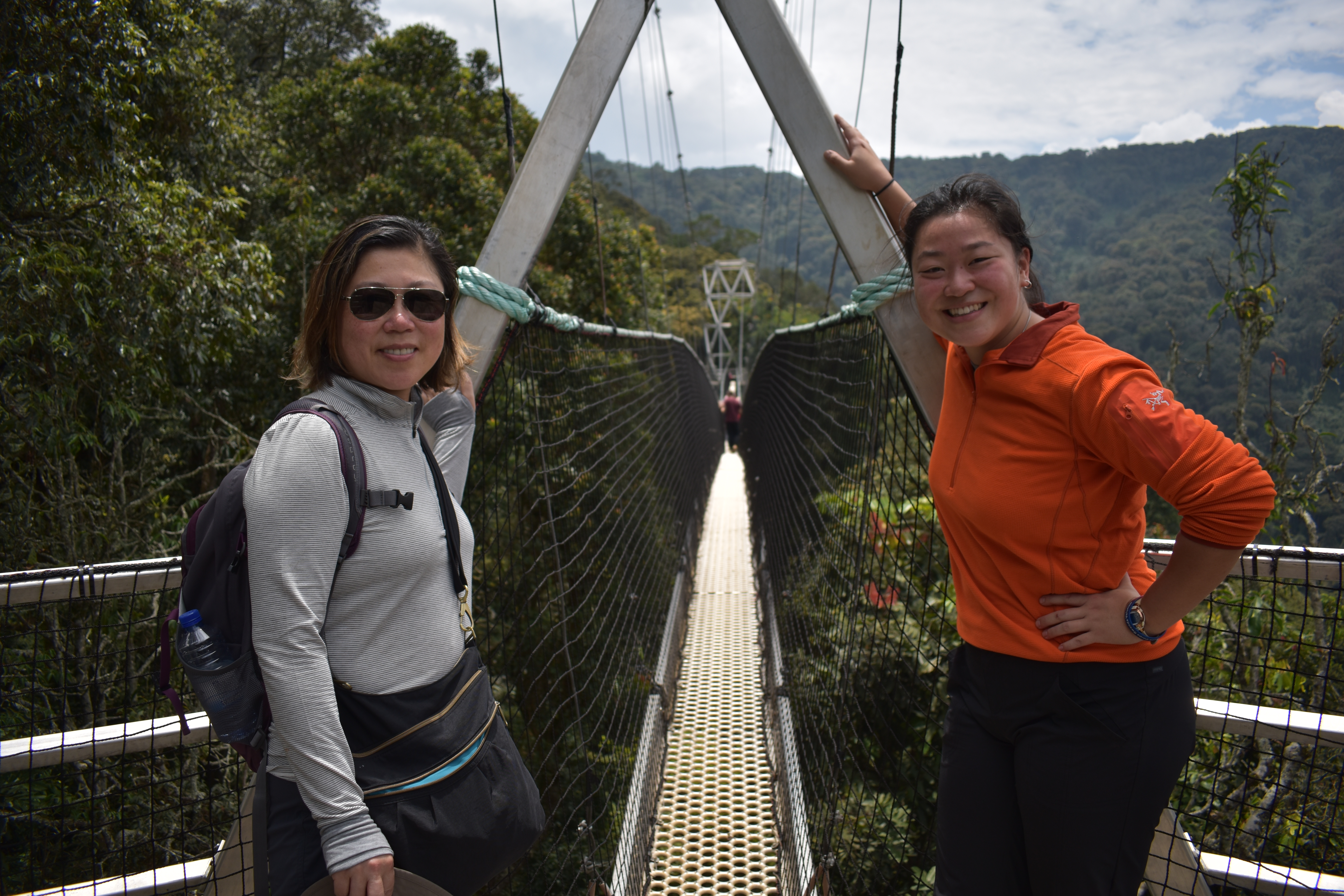
We also made a day trip to the Nyungwe Rainforest and a neighboring Tea Farm. Nyungwe is one of the most protected rainforests in Africa, it attracts tourists with its beautiful hikes to see Baboons, Colobus monkeys, and to do the Canopy Walk. It’s a 90m cable bridge suspended 60m above the ground in the rainforest. It wobbled so much! 

Fun fact: The source of the Nile River comes from all the rainfall in Nyungwe! 

No Malaria!

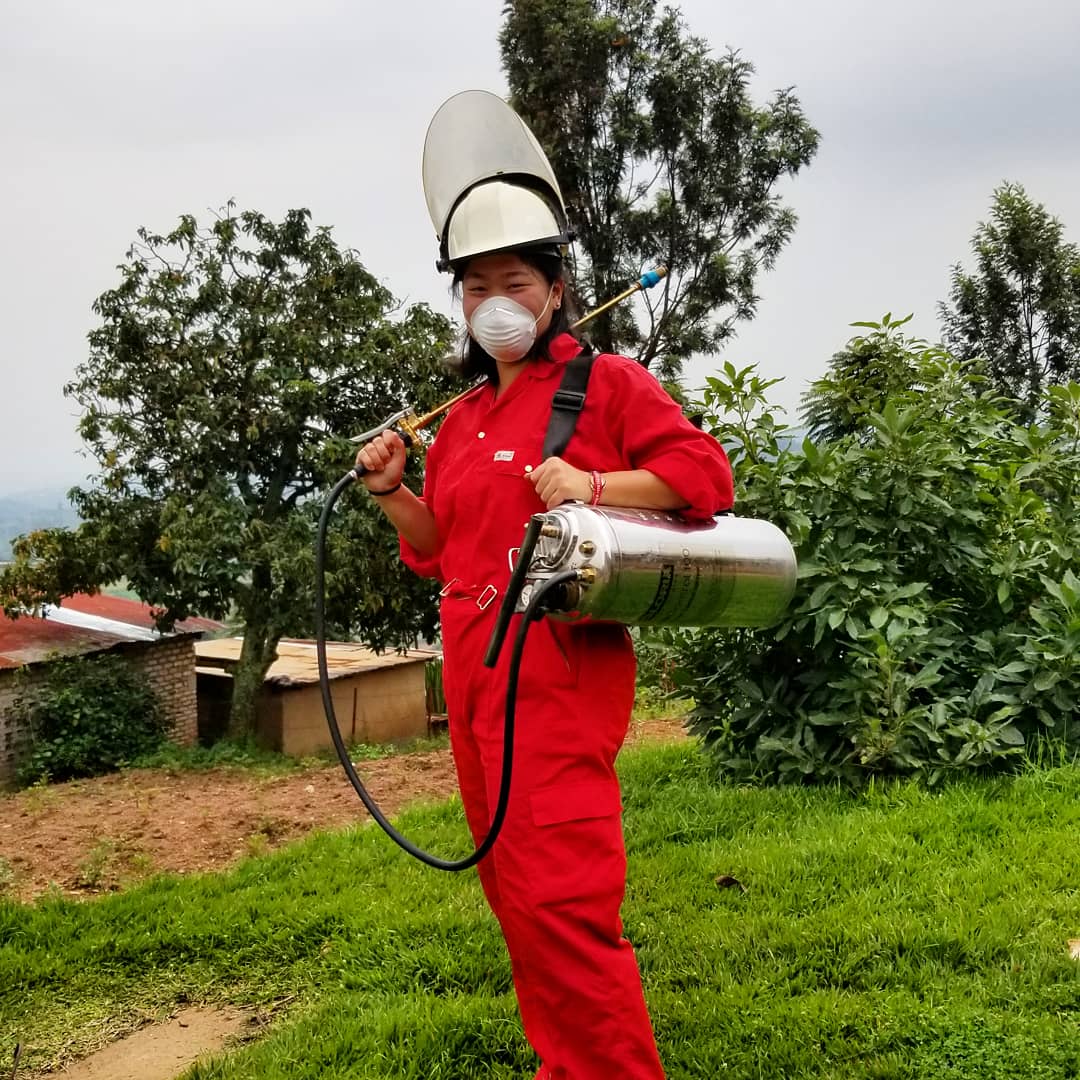
This past week has been very busy in the Southern Province, especially at my health center (HC). Every year, the government encourages families to have the inside walls of their homes sprayed with pesticides to kill mosquitos to reduce malaria. Indoor Residual Spraying (IRS) is a coating on walls that can last several months and can kill mosquitoes when they come into contact with it. It doesn’t directly prevent malaria, but prevents it from spreading. My HC has been used as a base by the government officials who are leading our Community Health Workers (CHWs) to spray homes in the 7 villages our HC serves. It’s especially important that IRS is implemented in Huye, my district, since it has one of the highest rates of malaria in the country! 

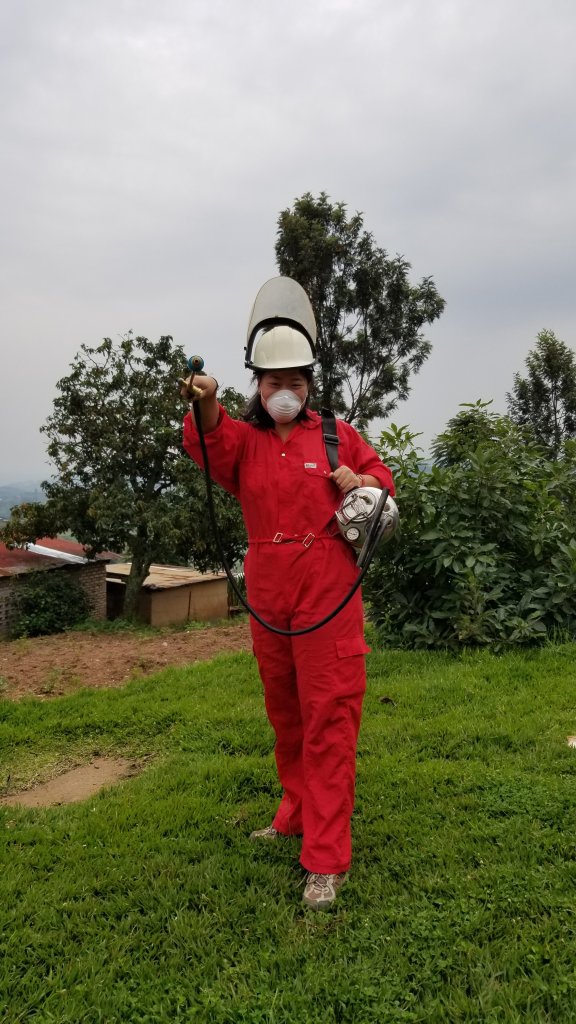
Geared up like a spray operator!

That being said, I wanted to jump in on the action! I asked the woman leading the IRS operation and she allowed me to join her in the field with the CHWs. When talking to everyone about it, I learned that a lot of Rwandans are very resistant to IRS. I was confused because it’s paid for by the government and it reduces everyone’s chance of getting malaria, seems like a win-win to me! But I learned that it’s very inconvenient moving all of your belongings outside while the spraying happens, strangers would see the inside of your house and all of your belongings, the pesticide smells and gives people headaches, and above all, there’s a lack of education etc. It’s also the rainy season right now (I haven’t seen the sun since Sunday afternoon), and when everything has to be moved outside for several hours, the rain discourages IRS. It’s an uphill battle, but even if we spray one house, it’s a big difference for that one family.

Malaria Fast Facts:

  • It’s a preventable disease 
  • It’s responsible for 10,000 maternal and 200,000 infant deaths worldwide
  • It can be treated properly when diagnosed quickly with a blood test
  • Only the female mosquitos spread the parasite 

Known by Another Name

Here’s a funny story about my name and how I got my Rwandan one.

This happened a few months ago, but I think it’s a funny story worth sharing.

In Rwandan culture, it’s common for people to refer to you by your last name. A lot of the Rwandan teachers and PC staff often called me Kim or Kim Jo. When I first met my host brother, who was home briefly from Medical School, we had a fun conversation that went like this:

Me: Hey, I’m Joanna Kim, but a lot of people call me Jo.

Him: Hey! Ah, Kim, you must be Korean. The home of Samsung.

Me: Yes, wow, how did you know? (I was so impressed!)

Him: A lot of people from Korea have that last name. Hm, Kim, Kim Jo. Kim Jo. Hey, do you know Kim Jung Un?

Me: …

Him: I like his haircut.


Funny, right?! I’ve never had a conversation like that before, especially since nobody has ever compared our names like that. I hope it brings a smile to your face as it did to mine. It happened months ago and I still laugh about it!

On the topic of names, my host mother gave me a Rwandan name. Peace Corps recommended our host families to give us Rwandan names, especially if our American ones are difficult to pronounce, to help us integrate. On my second day with my host family, my host mom said that she would call me Keza (keh-zah). Names are an important part of Rwandan culture, there’s even a traditional naming ceremony for newborns where people offer names that reflect them or have a significant meaning behind the name. So, I asked my host mom, “what does Keza mean?” She said, “beautiful.

I was embarrassed when she told me that. I never thought of myself as beautiful or ever being called that. Hopefully, I’ll grow into it.

My Site and Home

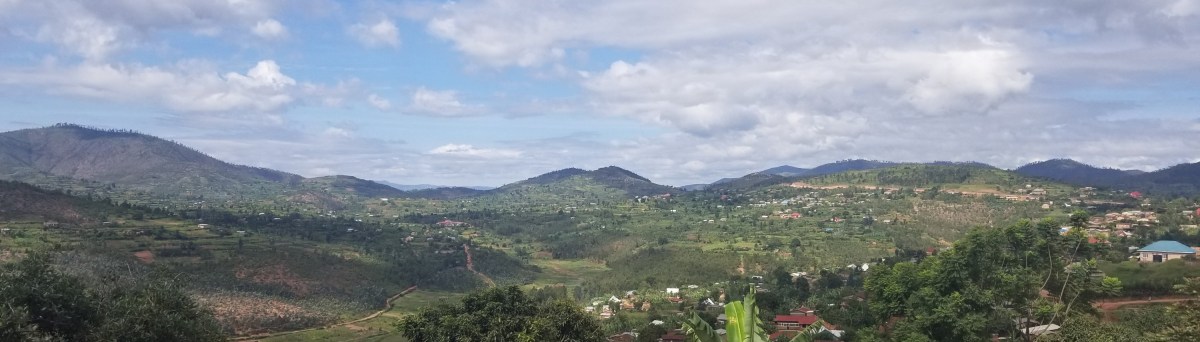
See where I’m living in Rwanda!

Happy New Year!!

We are a few days away from being a full month at site and I’m starting to settle into my new home and community in Huye. I figured that you are all very curious to know more about what my life is like here.

First thing’s first, I’m really lucky to be placed where I am. My site is very urban compared to other sites. The market next to my Health Center is open everyday. Some volunteers have markets open only every Thursday and Sunday, which can be anywhere from a 10-90 minute walk  or a 20-45 minute bus/moto ride away. I also live in the “downtown” area of my village, which has small stores (boutiques) for snacks, toilet paper, and random things that all Rwandan boutiques seem to have. 

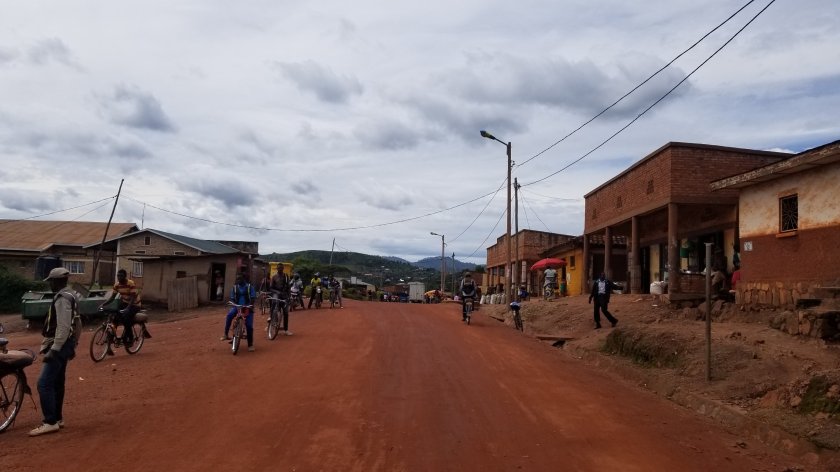
The main road that my house, heath center, market, and stores are on.

Furthermore, I live ~3 miles from the third largest city in the country, Butare. The walk is also very flat, which is very lucky since we’re in the land of a 1,000 hills. The market in Butare has EVERYTHING – clothes, home appliances, restaurants, etc. It also helps that Butare is a “college” town, so there are a lot of coffee shops, bars, and even clubs in the area. I was initially really disappointed that my site was so urban and I’d be missing out on the “proper” Peace Corps experience of being in a very rural and isolated area.  However, the volunteer who I am replacing asked me something that I haven’t forgotten, ‘why make life harder than it already is by being in an isolated site?’ He was right. Life here is difficult as it is, why would I want to make it more difficult for myself by having a market only twice a week, difficult to get to, and has a limited variety of food? One of my closest friends (emotionally, not geographically) told me that her market is only twice a week, open from 5-6:30p, and almost always has only potatoes and rarely anything else. That sounds really difficult to endure for two years. Having a big market nearby has definitely made life easier for me and made turning my new home into a home. 

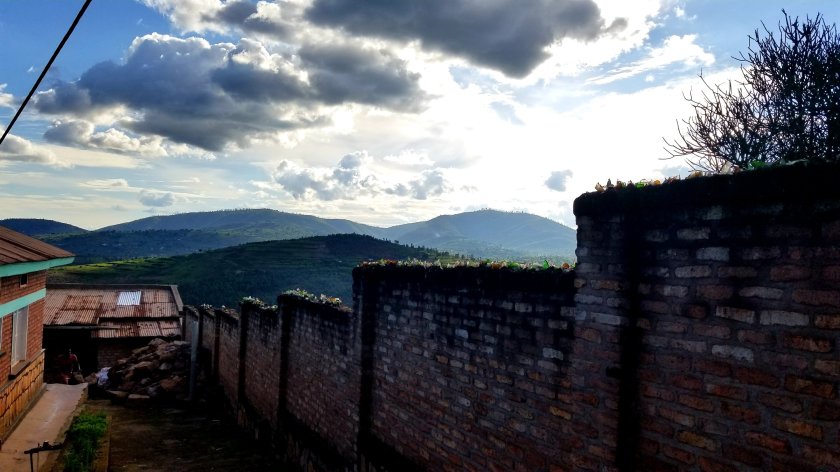
You’ll see this beautiful view when you walk through the gates of my compound.
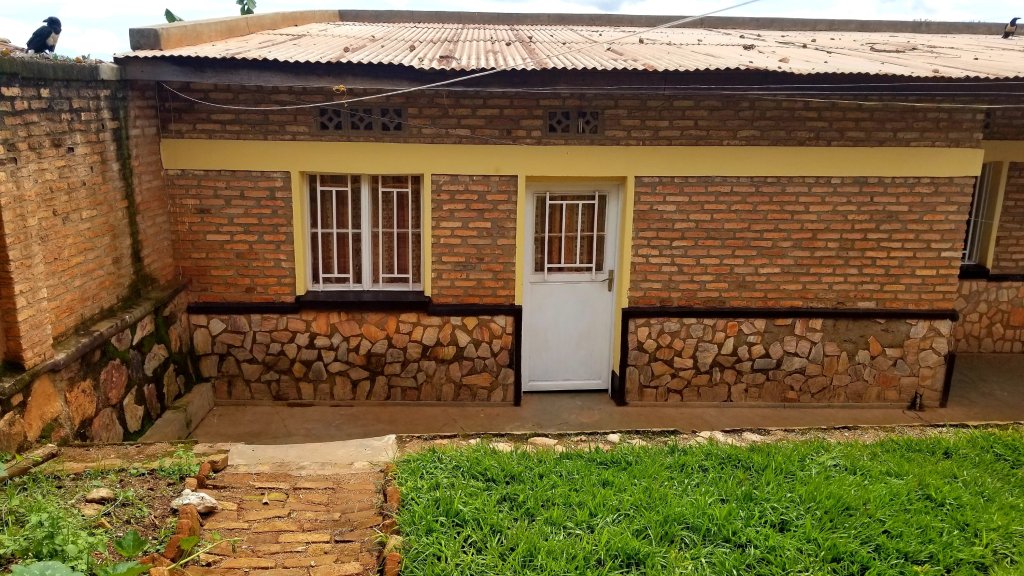
This is the front of my house! It’s a cute and small space in the corner of the compound. I have two other families in the compound, which makes it feel very safe!

Unlike other health volunteers, I don’t live on the Health Center property.  I live ~500 feet down the road from the Health Center in a compound with two other families. My house feels very safe and I actually share a wall with the lab tech and her family! Peace Corps is very strict about where they house volunteers since safety is very important (I know my parents very relieved to hear this).

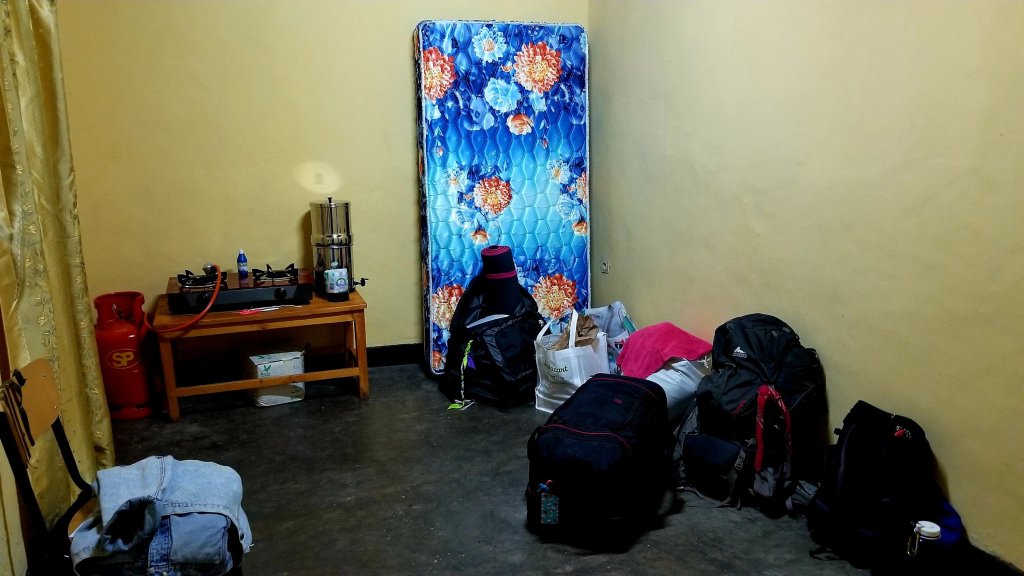
There is a lot of variation in the types of houses for us in Rwanda. Some homes are quite large, with multiple spacious rooms, while others are quite small. Since my site is very urban, I have an appropriately sized house. It’s small, maybe 500 ft^2. It’s the size of a perfect square, divided in half into two rooms  – one is the living room and kitchen (photo below) and the other is my bedroom. I also have a small indoor bathroom, which is very lucky. I currently don’t have running water, but I have electricity in one room (sometimes). 

I took this photo the first day I moved in. In this photo, going from left to right, is a table and chair my HC lent me, a gas stove, water filter, my mattress and all of my stuff – clothes, gear, food etc.

The photo above shows the saddest state my house has been in. It was so bare, but now I have a carpet, another table, and a bed frame. For nearly a month I did everything on the floor – slept, ate, cooked. It has been a slow and steady process. On Christmas Eve, my bed frame came and today I got another table and a shelf to put all my clothes on. I’ll be sure to send a housing update once things become more complete. In all honesty, I’m just happy to have furniture! More and more things are moving off the floor!!

Thanksgiving

Happy Thanksgiving from Peace Corps Rwanda! 

Before coming to Rwanda, I was really nervous/sad about spending one of my favorite holidays with 70 strangers. Well, they’re not strangers anymore. Over the past three months we’ve gotten to know each other very well – we spend the bulk of our days together learning Kinyarwanda, reminiscing over what we miss from home, and sharing the most intimate details of our last trip to the latrine. Peace Corps creates a strong bond between all of us – we’re all going through this dramatic experience together and I’m so thankful that we got to celebrate Thanksgiving all together.

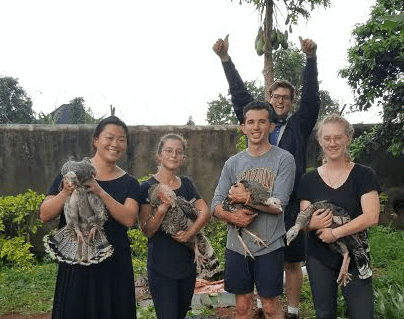
So, let’s talk about how we celebrated Thanksgiving! Between the 70 volunteers, we were all divided into different teams – Prep, Cooking, Turkey, Baking, Shopping, and Cleaning – to make food for 100 people. I was part of the Turkey team, meaning that we got 19 live turkeys, killed, plucked their feathers, gutted, and roasted them in a charcoal pit-oven we dug out. As someone who has eaten meat her entire life, I thought this was an important opportunity to learn more about what it means to eat meat. When we buy meat in America, it often doesn’t resemble much of the animal it was before it was packaged to be sold. I got to know what it was like to remove the “supermarket” barrier and be part of the process from the live animal to having it on my plate. I got to hold the turkey in my arms knowing that I was going to kill it. The entire process was very educational and I learned a new appreciation for eating meat, though it was harder than I thought to eat a drumstick on my plate when the time came. 

I got to hold the turkey in my arms knowing that I was going to kill it.

Thanksgiving was a complete success. All of the teams pulled through and we had a wonderful spread! Those who wanted to share were able to tell the entire group about what they were thankful for. I am personally very thankful for the friends I’ve made, my family here and back home, my health, and for every solid poop I have. 

Our training is almost over. We have one more week before we swear in at the US Embassy as official Peace Corps Volunteers. Many of us are excited to continue on our Peace Corps journey and to start teaching at our schools or working at our Health Centers, but I also think many of us are sad to say good-bye to our host families and each other. I’m getting ahead of myself. For now, I’m just happy that I had a wonderful Thanksgiving at my home away from home. 

Also, Happy December! 

Feet of Cow

Rwandan food is a lot of the same staple, seasonal foods – potatoes, spinach, cassava, green bananas (not plantains), beans, rice, and sometimes meat. Every meal has the same food prepared in different ways, and in all honesty it’s mostly the same consistency and flavor (if any) without much variation. One of the best ways to mix it up is by adding meat since it’s eaten very rarely because it’s expensive.

A few days ago, my host mom came back from the market and was excited to show me the meat she got. Here, meat means anything that comes from an animal, anything. So, when my host mom flipped the paper bag over I wasn’t expecting to hear a clattering sound. She excitedly said, “feet of cow!” They were cow hooves. I don’t know why I was so surprised because it looked exactly like what they were and my face must have shown it because my host mom said, “I don’t know why you’re surprised, you ate it before.” I panicked a little bit because I think I would’ve remembered eating cow hooves, but I honestly have no idea when that was. 

That’s it. I just wanted to share that funny story.

A Single Story

This post was inspired by a TED talk by Chimamanda Adichie called “The Danger of a Single Story.” Adichie is a New York Times best-selling author from Nigeria. We watched her talk as part of our training a few weeks ago.

I came in with a lot of different misconceptions about Rwanda. It being a sub-saharan, African country, I knew only what UNICEF commercials and other social media content hyper focused on about life in Africa – rural, poor, and uneducated populations. I think most of us have seen African countries portrayed like that. The media’s portrayal that’s consumed by many Americans is a single story – stories that exclusively show poverty, malnourished children, and underdevelopment – but Rwanda is the country Africa looks to as an example for development. However, cultural exchange is a two-way street. Through conversations with my host mom, I’m learning that there are just as many misconceptions Rwandans have about America.


I had never been to Africa before the Peace Corps and embarrassingly, expected to be roughing it way more than I am. My host family’s house has sturdy walls, running water, electricity, and an indoor bathroom (with a flushing toilet and tiled floors). We have more than enough food to eat every night, my host parents love putting more than I can eat on my plate for dinner. They keep on encouraging me to eat, hoping to get me really fat. It’s often over dinner conversations when I learn how they (mis)perceive America.


My host mamma believes that life is America is magical. That everyone’s life is so easy, simple, and safe. She compares her life in Rwanda to what she knows about America, which is that everyone has a beautiful life and is rich. One time, she accidentally cut her hand while preparing dinner and told me that if she lived in America, that wouldn’t have happened. The other day, we heard that our neighbor’s house was robbed and she said that if she were in America that would’t happen.

How do I tell her that 45 million Americans live below the poverty line?
How do I tell her that many Americans are rather unhappy (depression and anxiety rates are rising), and that American life not as beautiful as she thinks?
How do I tell her that people injure themselves all the time while cooking or that robbery also happens in America?
How do I tell her that 27.5 million Americans don’t have health insurance, but every Rwandan does?

She has talked about moving her family to America and prospects of integrating and becoming Americans.

How do I tell her that being an American is more that just having legal status, but that you also have to look like one? How do I tell her that I’ve been told that I’m not an American because I’m not White?

Do I dare shatter her magical America?

I can only offer her my personal experiences and perspectives, but I did. I told her that the problems that exist in Rwanda also exist in America. We have similar problems and we have different problems. It’s important to show that America is as imperfect as any other country. It makes me wonder how America is broadcasted to the rest of the world, because her words make it seem magical. It’s crucial that we don’t fall into the trap of telling just one aspect of the story, we have to share the entire picture.


That being said, my blog isn’t the entire picture. I’m not sharing everything that I’m experiencing or every detail of my everyday activities. You, the reader, are not getting the whole story – just what I’m sharing here – despite my efforts to give as much context as I can. So it’s important not to generalize my story as the only story as a Peace Corps Volunteer (PCV) or my experience in Rwanda. There are 70 other volunteers in my cohort and we’re all experiencing the PC and Rwanda very differently.

Has there been a time when you fell into the trap of telling a single story or wanting to hear one?

My Pink Brush

Dressing ourselves in America is a form of self expression, while in Rwanda we dress to respect others.

Rwandan culture is so different from our own in a lot of different ways, but the biggest adjustment for me is presentation. Dressing ourselves in America is a form of self expression, while in Rwanda we dress to respect others. Wearing ripped jeans or scuffed shoes in America is a reflection of my casual dressing habits, but here it shows that I don’t respect other people. 

I think my hygiene is better here than in America.

When I signed up to do the Peace Corps in Africa, I figured I’d be taking “showers” once a week and got comfortable with the thought of putting hygiene on the back burner. That couldn’t be further from reality in Rwanda. Hygiene is taken very seriously here. Everyone (bucket) bathes everyday, sometimes twice. People will notice if you don’t bathe or take care of yourself, it’s enough reason to socially ostracize someone. Homes are cleaned thoroughly twice a week, bed sheets are washed every week, teeth are brushed after every meal, and shoes are washed everyday. I think my hygiene is better here than in America.

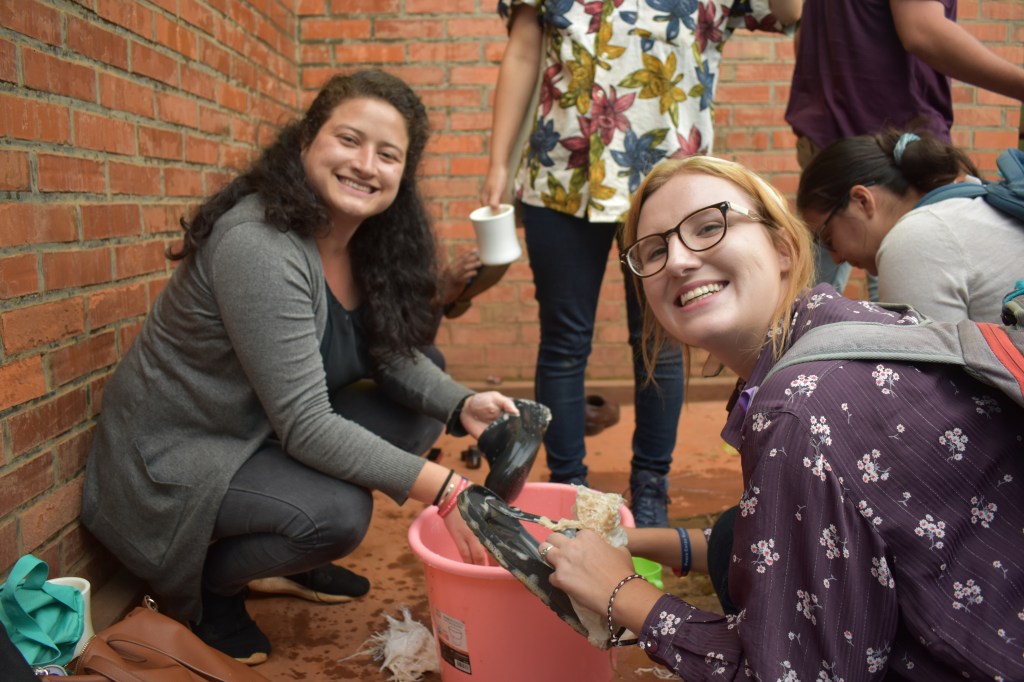
Having dirty shoes is the easiest way to offend someone here, since it shows that you have little respect for others. I spend 15-20 minutes everyday once I get home to clean the red dirt off my shoes. As I walk by the bustling market every morning and night, I can feel people looking at me, judging the way I dress and carry myself. I overhear the locals talking about my outfit and if my shoes are clean. Their gaze follows my shoes. The best thing I brought with me has been my little, pink, shoe brush. The powdery, red dirt shows up really well on our shoes and can instantly make it look like we don’t take care of ourselves and that we don’t respect others, which can severely damage our ability to integrate into our communities. It’s easily the best $3 I spent because I use it every day. 

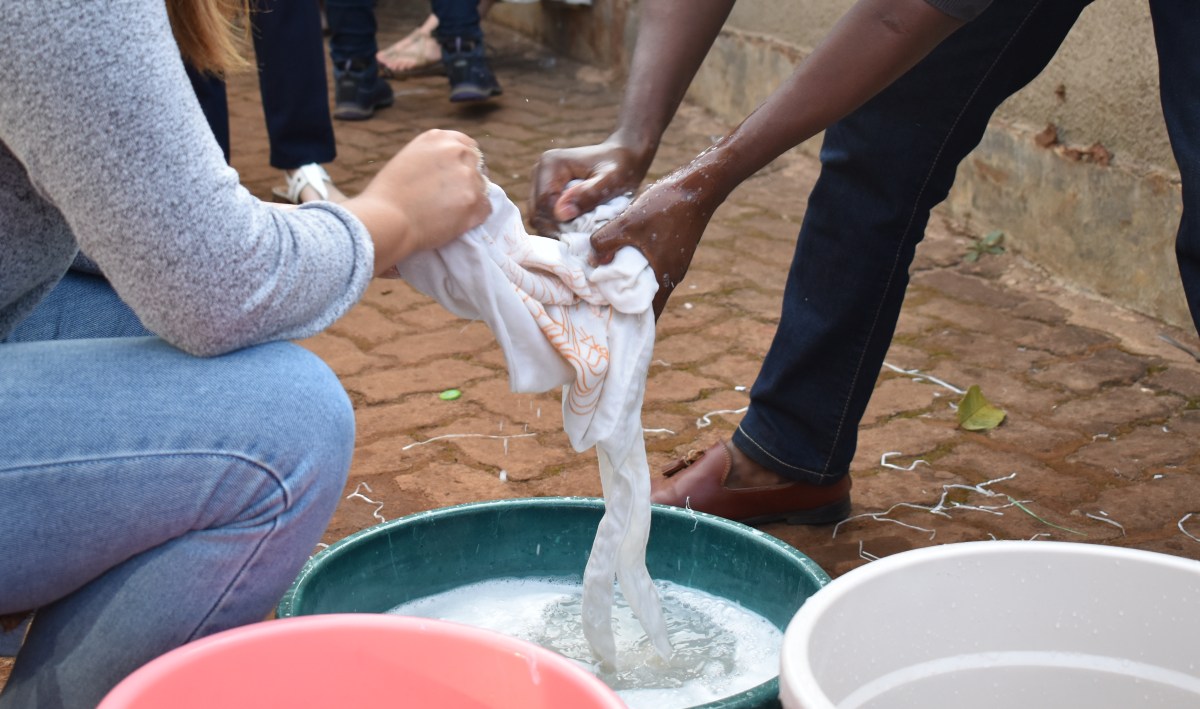
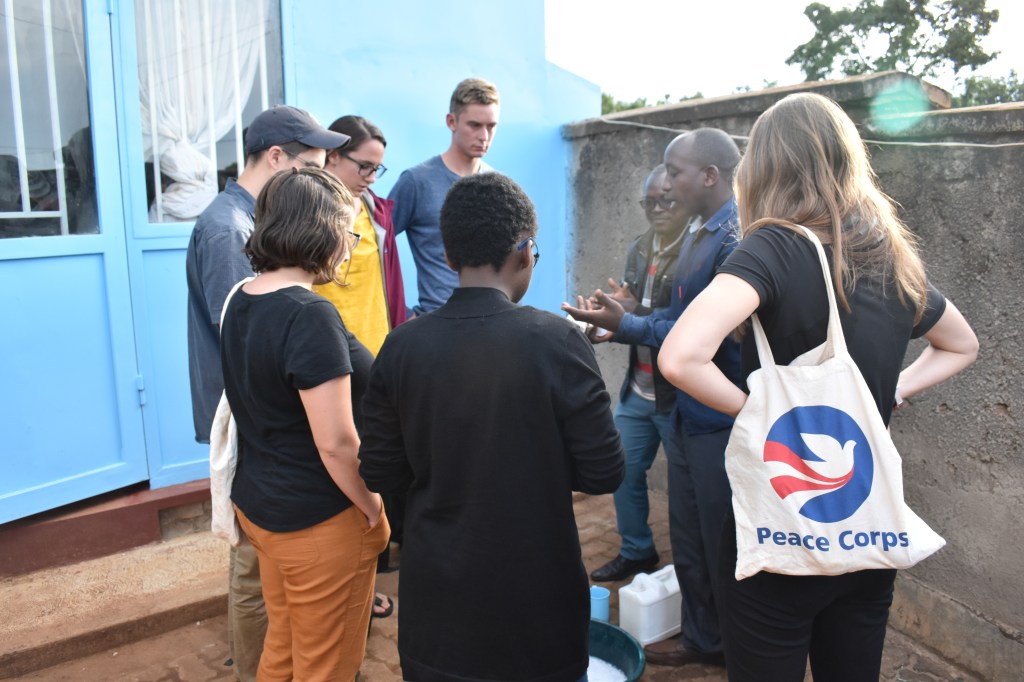
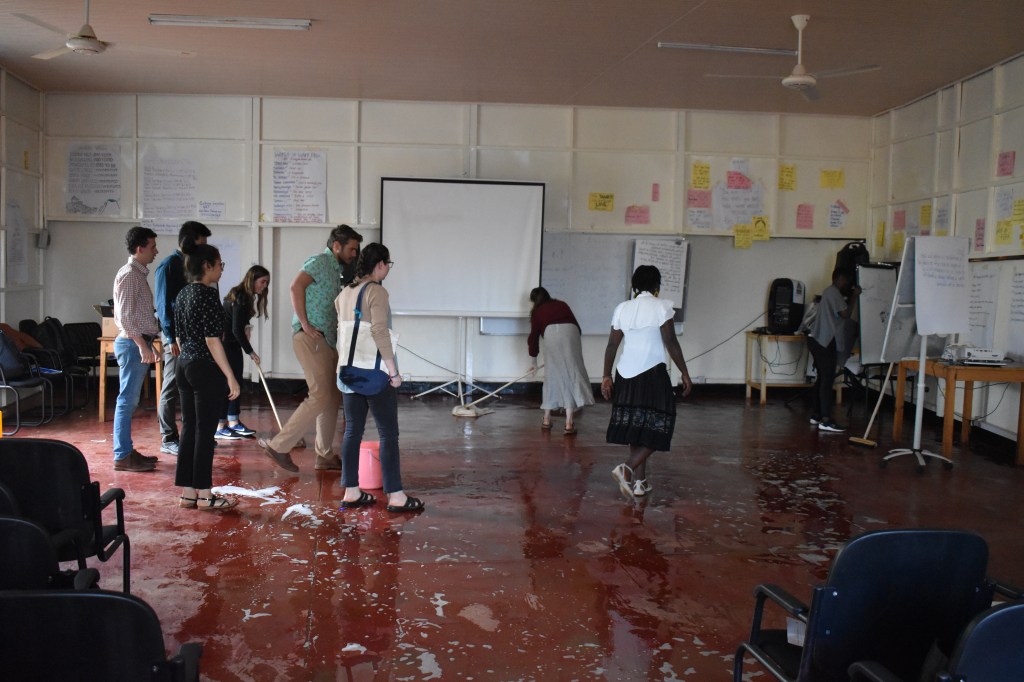
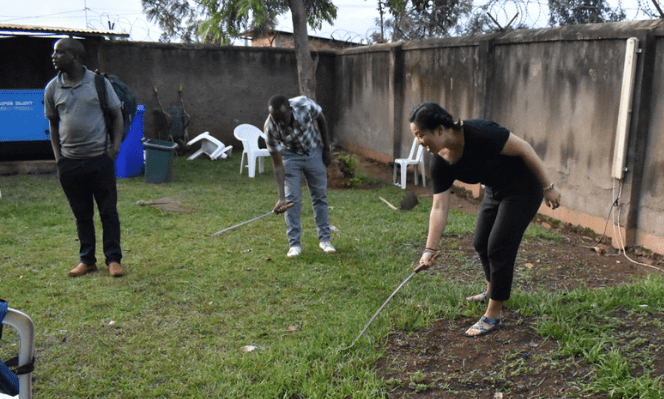
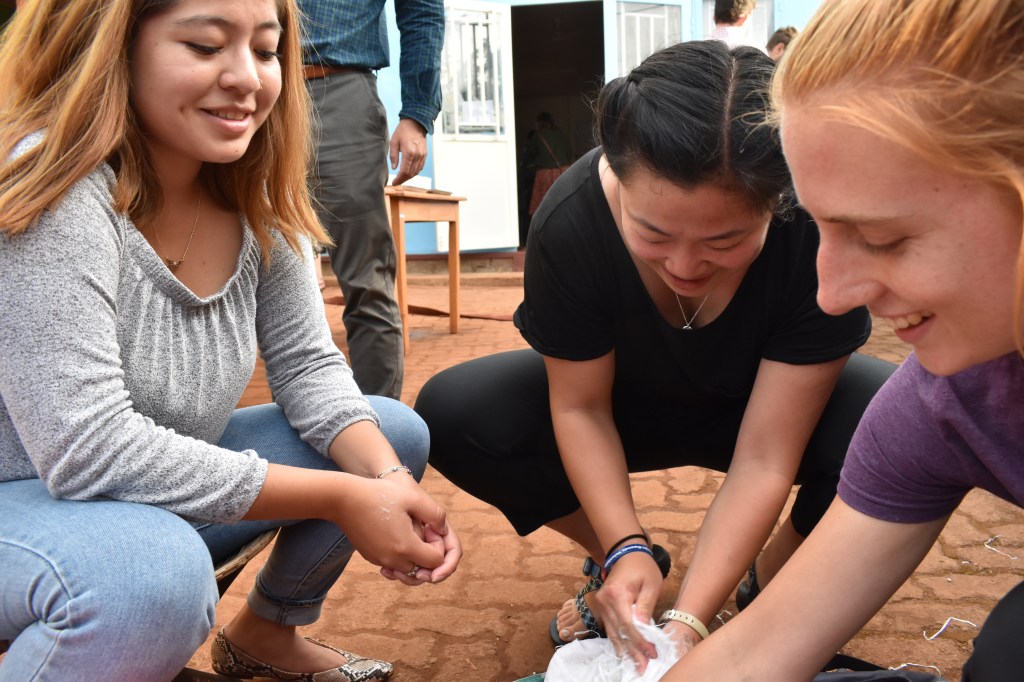
Practicing good hygiene is so important that our teachers had rotating stations where we learned how to mop the floor, trim the lawn, wash our bags and shoes. It’s important that we know how to do all of that using the local supplies so we can take care of ourselves and our homes properly once we get to our sites in December. 

Umuganda

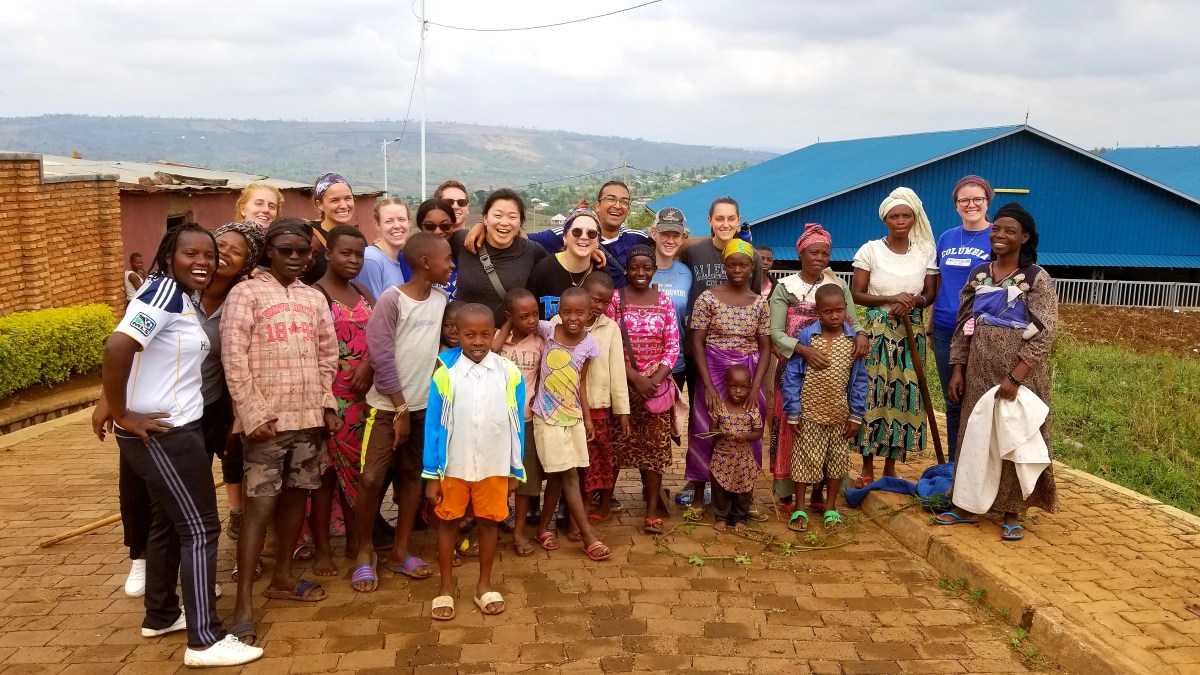
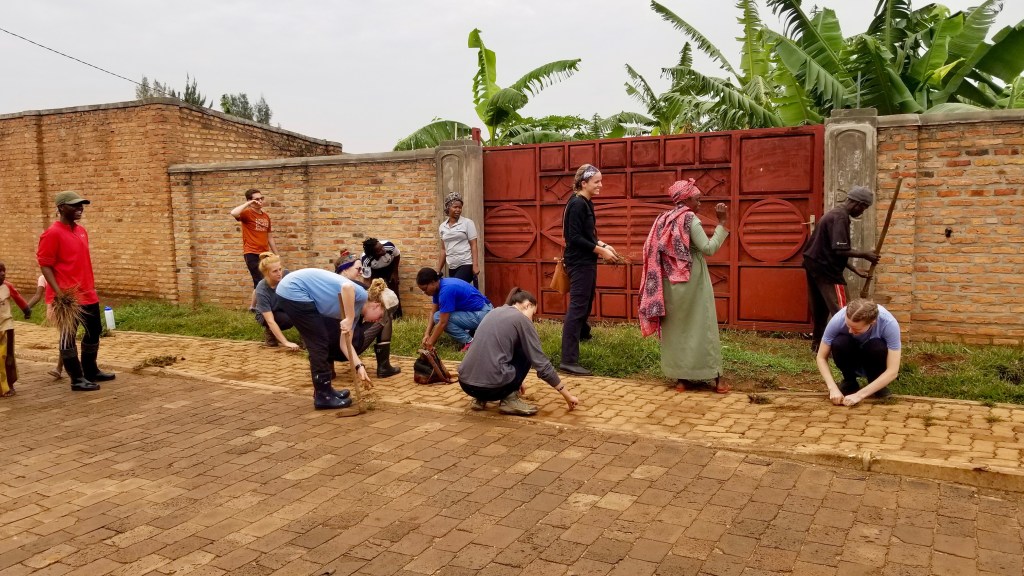
One week ago I had my first Umuganda. It’s a Rwandan tradition that dates back before the genocide and played a huge role in repairing the culture since then. The morning of the last Saturday of every month the community comes together for community service. The streets are empty and the markets are vacant because everyone stops what they’re doing to be part of this tradition. 

One of the few things my host mom points out to me about the Rwandan culture is the importance of knowing who your neighbor is. Everybody knows everybody and they all look out for each other. Umuganda is the perfect place to catch up with family and friends while working together to improve their neighborhood.

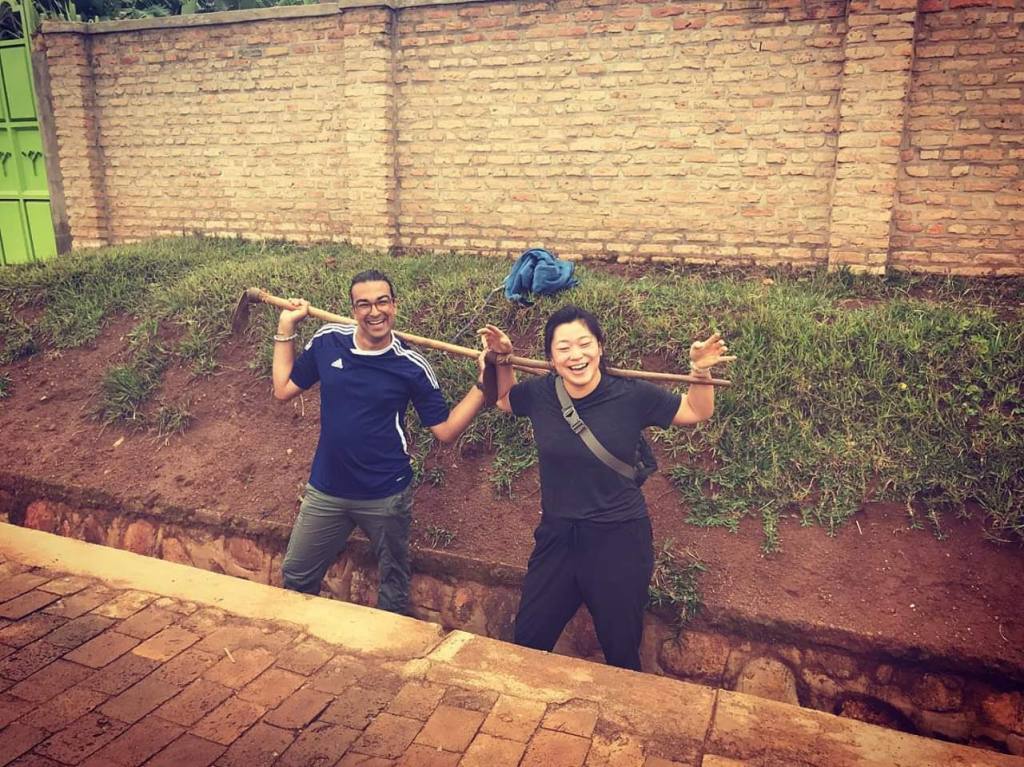
Projects vary depending on what the village chief wants to do – they can range from building latrines to painting a school building to a garbage pickup. My group and I were landscaping the sidewalks, cleaning the water drainage system, and topped it off by playing jumprope with some of the kiddos. 

Definitely looking forward to more of these Saturday mornings 🙂 

Design a site like this with WordPress.com
Get started