Blog Feed

Thanksgiving

Happy Thanksgiving from Peace Corps Rwanda! 

Before coming to Rwanda, I was really nervous/sad about spending one of my favorite holidays with 70 strangers. Well, they’re not strangers anymore. Over the past three months we’ve gotten to know each other very well – we spend the bulk of our days together learning Kinyarwanda, reminiscing over what we miss from home, and sharing the most intimate details of our last trip to the latrine. Peace Corps creates a strong bond between all of us – we’re all going through this dramatic experience together and I’m so thankful that we got to celebrate Thanksgiving all together.

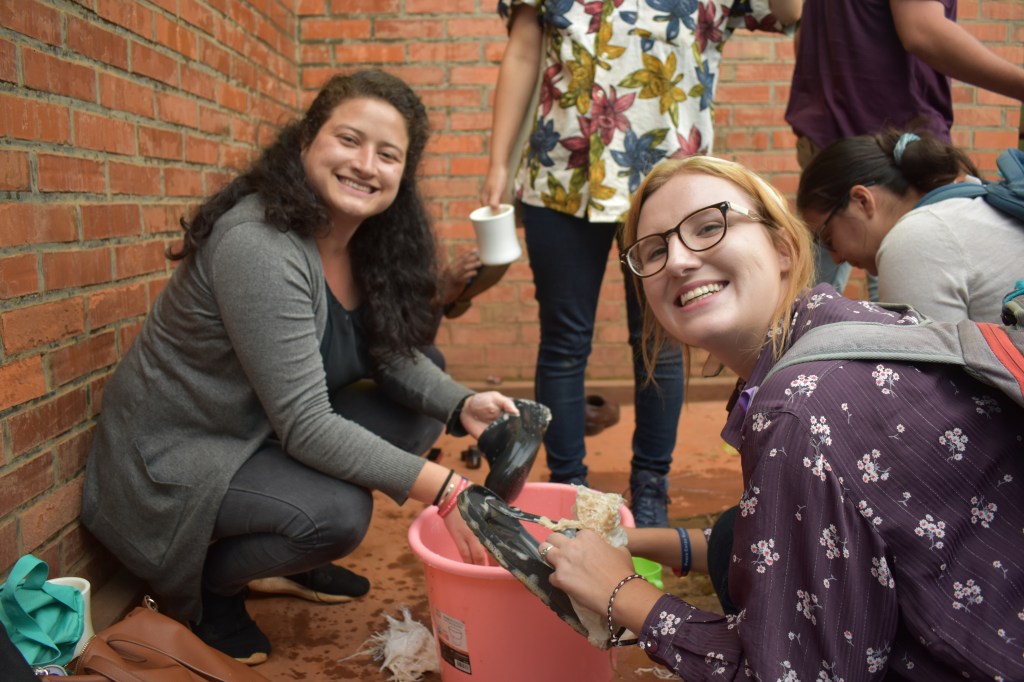
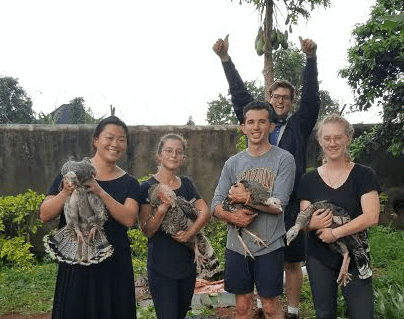
So, let’s talk about how we celebrated Thanksgiving! Between the 70 volunteers, we were all divided into different teams – Prep, Cooking, Turkey, Baking, Shopping, and Cleaning – to make food for 100 people. I was part of the Turkey team, meaning that we got 19 live turkeys, killed, plucked their feathers, gutted, and roasted them in a charcoal pit-oven we dug out. As someone who has eaten meat her entire life, I thought this was an important opportunity to learn more about what it means to eat meat. When we buy meat in America, it often doesn’t resemble much of the animal it was before it was packaged to be sold. I got to know what it was like to remove the “supermarket” barrier and be part of the process from the live animal to having it on my plate. I got to hold the turkey in my arms knowing that I was going to kill it. The entire process was very educational and I learned a new appreciation for eating meat, though it was harder than I thought to eat a drumstick on my plate when the time came. 

I got to hold the turkey in my arms knowing that I was going to kill it.

Thanksgiving was a complete success. All of the teams pulled through and we had a wonderful spread! Those who wanted to share were able to tell the entire group about what they were thankful for. I am personally very thankful for the friends I’ve made, my family here and back home, my health, and for every solid poop I have. 

Our training is almost over. We have one more week before we swear in at the US Embassy as official Peace Corps Volunteers. Many of us are excited to continue on our Peace Corps journey and to start teaching at our schools or working at our Health Centers, but I also think many of us are sad to say good-bye to our host families and each other. I’m getting ahead of myself. For now, I’m just happy that I had a wonderful Thanksgiving at my home away from home. 

Also, Happy December! 
Feet of Cow

Rwandan food is a lot of the same staple, seasonal foods – potatoes, spinach, cassava, green bananas (not plantains), beans, rice, and sometimes meat. Every meal has the same food prepared in different ways, and in all honesty it’s mostly the same consistency and flavor (if any) without much variation. One of the best ways to mix it up is by adding meat since it’s eaten very rarely because it’s expensive.

A few days ago, my host mom came back from the market and was excited to show me the meat she got. Here, meat means anything that comes from an animal, anything. So, when my host mom flipped the paper bag over I wasn’t expecting to hear a clattering sound. She excitedly said, “feet of cow!” They were cow hooves. I don’t know why I was so surprised because it looked exactly like what they were and my face must have shown it because my host mom said, “I don’t know why you’re surprised, you ate it before.” I panicked a little bit because I think I would’ve remembered eating cow hooves, but I honestly have no idea when that was. 

That’s it. I just wanted to share that funny story.

A Single Story

This post was inspired by a TED talk by Chimamanda Adichie called “The Danger of a Single Story.” Adichie is a New York Times best-selling author from Nigeria. We watched her talk as part of our training a few weeks ago.

I came in with a lot of different misconceptions about Rwanda. It being a sub-saharan, African country, I knew only what UNICEF commercials and other social media content hyper focused on about life in Africa – rural, poor, and uneducated populations. I think most of us have seen African countries portrayed like that. The media’s portrayal that’s consumed by many Americans is a single story – stories that exclusively show poverty, malnourished children, and underdevelopment – but Rwanda is the country Africa looks to as an example for development. However, cultural exchange is a two-way street. Through conversations with my host mom, I’m learning that there are just as many misconceptions Rwandans have about America.


I had never been to Africa before the Peace Corps and embarrassingly, expected to be roughing it way more than I am. My host family’s house has sturdy walls, running water, electricity, and an indoor bathroom (with a flushing toilet and tiled floors). We have more than enough food to eat every night, my host parents love putting more than I can eat on my plate for dinner. They keep on encouraging me to eat, hoping to get me really fat. It’s often over dinner conversations when I learn how they (mis)perceive America.


My host mamma believes that life is America is magical. That everyone’s life is so easy, simple, and safe. She compares her life in Rwanda to what she knows about America, which is that everyone has a beautiful life and is rich. One time, she accidentally cut her hand while preparing dinner and told me that if she lived in America, that wouldn’t have happened. The other day, we heard that our neighbor’s house was robbed and she said that if she were in America that would’t happen.

How do I tell her that 45 million Americans live below the poverty line?
How do I tell her that many Americans are rather unhappy (depression and anxiety rates are rising), and that American life not as beautiful as she thinks?
How do I tell her that people injure themselves all the time while cooking or that robbery also happens in America?
How do I tell her that 27.5 million Americans don’t have health insurance, but every Rwandan does?

She has talked about moving her family to America and prospects of integrating and becoming Americans.

How do I tell her that being an American is more that just having legal status, but that you also have to look like one? How do I tell her that I’ve been told that I’m not an American because I’m not White?

Do I dare shatter her magical America?

I can only offer her my personal experiences and perspectives, but I did. I told her that the problems that exist in Rwanda also exist in America. We have similar problems and we have different problems. It’s important to show that America is as imperfect as any other country. It makes me wonder how America is broadcasted to the rest of the world, because her words make it seem magical. It’s crucial that we don’t fall into the trap of telling just one aspect of the story, we have to share the entire picture.


That being said, my blog isn’t the entire picture. I’m not sharing everything that I’m experiencing or every detail of my everyday activities. You, the reader, are not getting the whole story – just what I’m sharing here – despite my efforts to give as much context as I can. So it’s important not to generalize my story as the only story as a Peace Corps Volunteer (PCV) or my experience in Rwanda. There are 70 other volunteers in my cohort and we’re all experiencing the PC and Rwanda very differently.

Has there been a time when you fell into the trap of telling a single story or wanting to hear one?

Site Visit

10.19.19-10.25.19 

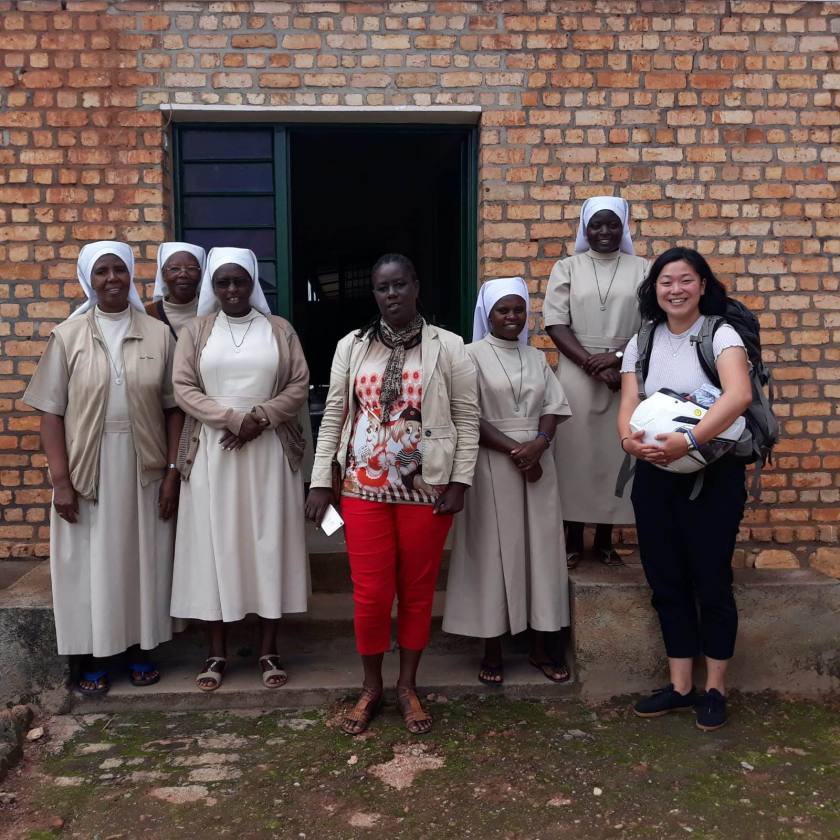
I spent this past week at my site in the Southern Province! I got to see my Health Center (HC), meet all of the staff, and see where I’ll be living. The main purpose of doing site visit is to become familiarized with where we’ll be working and living before we move in after we offically swear in as Peace Corps Volunteers (PCV). It’s important that we know when and where the markets are, what we can buy there, how to get to and from our site and Kigali, and see our homes so we know what we’ll need to buy to furnish it.  

In all honesty, had my first (and definitely not last) moment of “oh my god, I don’t think I can do this.” It was a rude awakening realizing how insufficient my Kinyarwanda is. I had a difficult time communicating with my Supervisor, Sister Athanasie, the HC staff, the mamma’s and their babies. I was overwhelmed knowing that this is where I’ll be working for the next two years and that I’ll have to lead educational sessions on nutrition, hygiene, and other health topics.

Fun and fast facts.

  1. My HC was established before the genocide, making it one of the oldest in the country. 
  2. It’s affiliated with the Catholic Church, so my supervisor is a Nun – Sister Athanasie. 
  3. My HC serves 17 villages.

Location. Location. Location. 

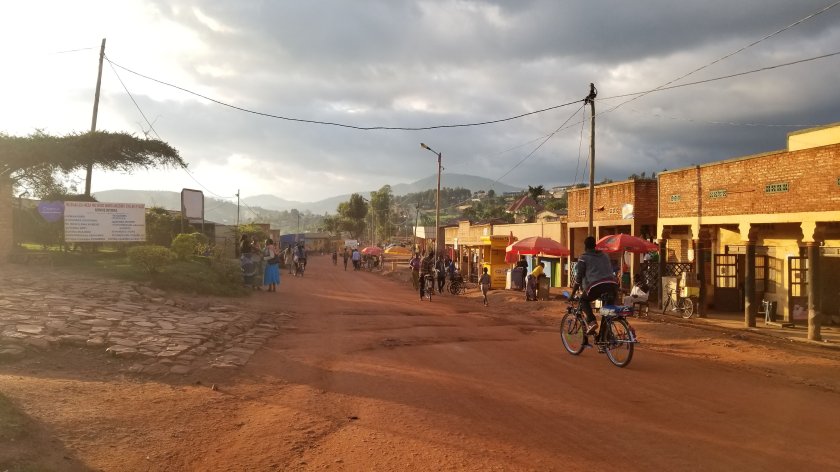
I’m only a mile away from one of the bigger cities in the Southern Province, which means restaurants, a good market, stores, etc. At first I was a little bummed that I was in such an urban area, in fact, the volunteer I’m replacing says that my site is probably the closest one to a major city. After thinking about it, I’m quite relieved because it’ll make life a lot easier when I need to furnish my house, go grocery shopping, or want to get some Chinese food and ice cream (YES! There’s a Chinese Restaurant and an ice cream shop in town). I’m definitely excited to host my friends when they visit. 

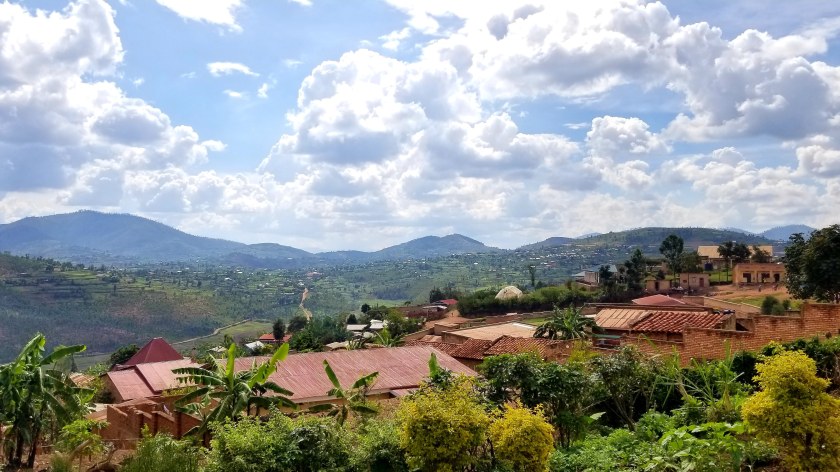
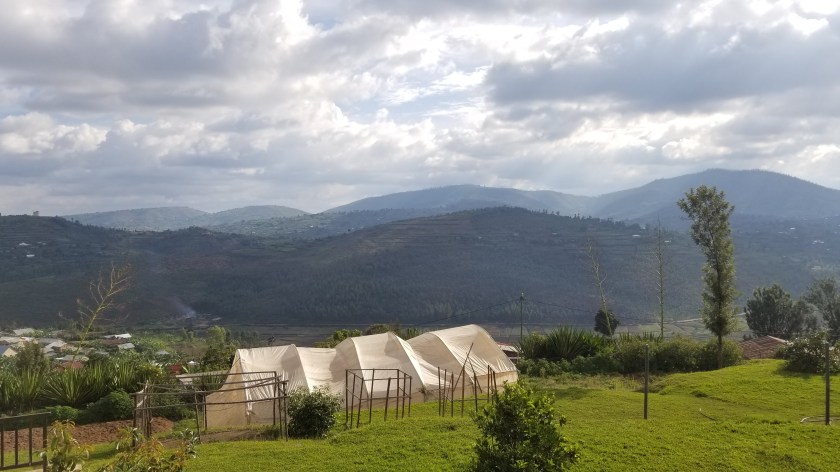
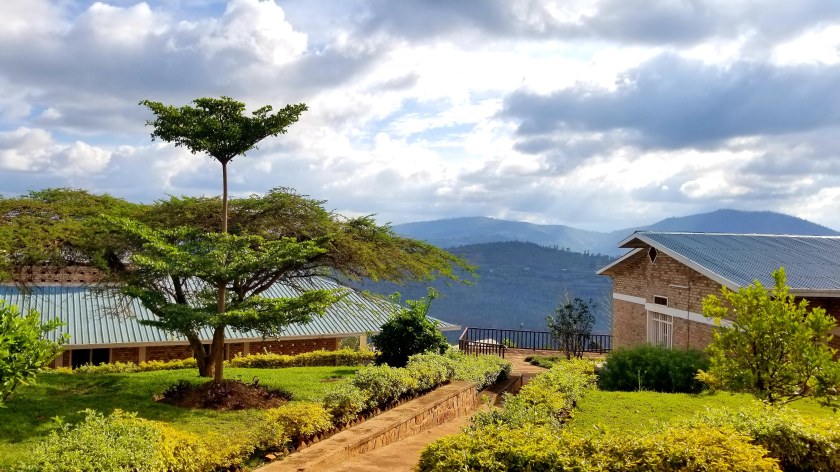
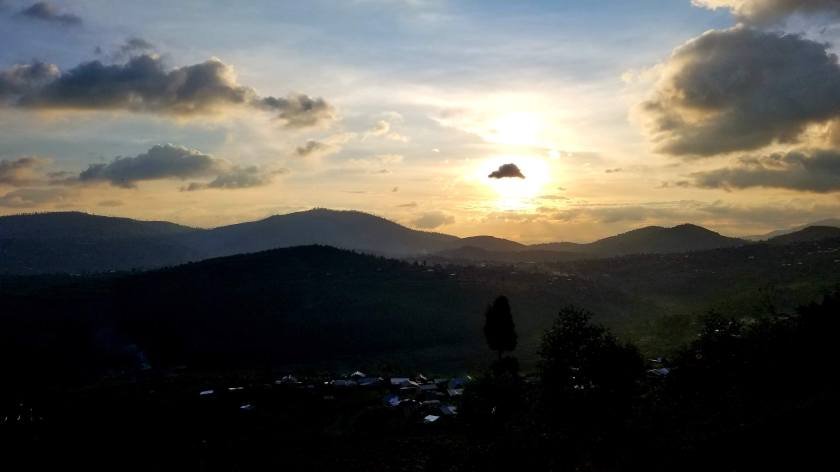
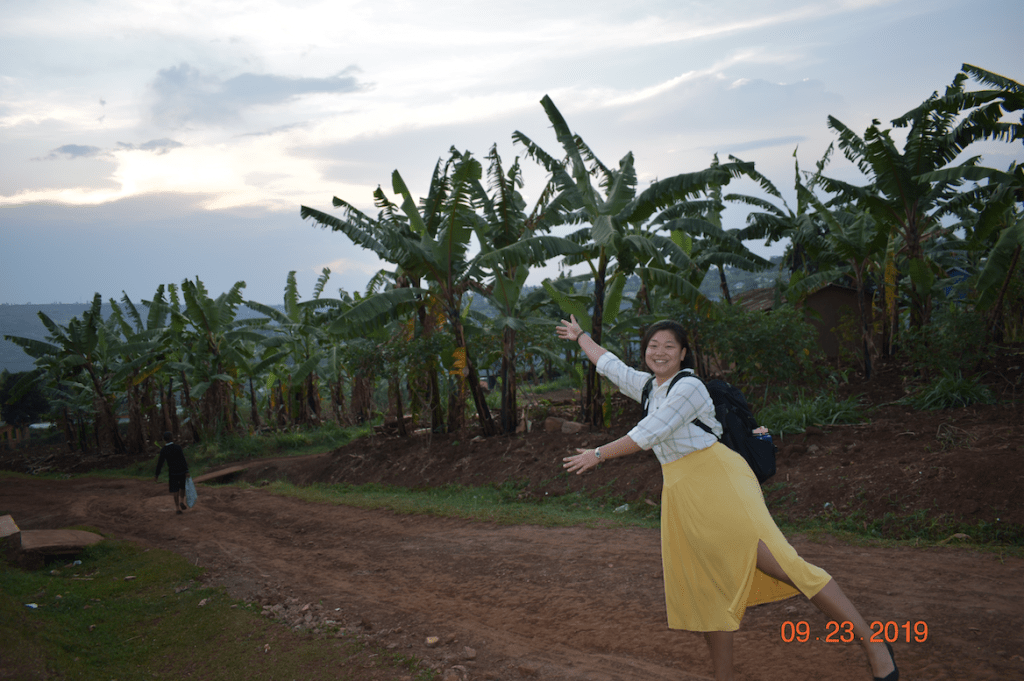
Here are some pictures from my site. Enjoy!

My HC is in the photo – can you spot our green house?
Our greenhouse.
The building on the left is our maternity ward and the right is the laboratory.
Beautiful, right?
The entrance to the HC is on the left and the village center/downtown is on the right.

My House. 

The Peace Corps (PC) and the HC work together to find housing for all of the volunteers. PC’s biggest concern is safety for all us, especially since I’m a woman living alone. They got a house that’s 200 meters away from the HC, is in a compound, and has an indoor bathroom (!!!!). Most homes in Rwanda have latrines, but they can unsafe to use at night so many Rwandans don’t even use them at night. I know my mom was very happy to hear all of this. Houses can vary dramatically across the country – some are very large, some are quite small, some have running water and electricity while others don’t. Mine is roughly the size of a hotel room (~300 square feet), has running water, and electricity. No complaints. 

Work. 

I spent my week working at my HC, getting a small introduction to my two years working there. The HC has a lot of different services/ departments: HIV/AIDS counseling, TB, immunizations, maternity ward, counseling, dentistry, primary care, laboratory testing, and of course maternal and childhood health services, such as nutrition, ante and postnatal care. 

Our Pre-Service Training (PST) has familiarized us with what to expect when working at the HC, but nothing can prepare you for seeing your first acutely malnourished child.

My counterpart, Cecile, is the nutritionist and was teaching me all about the services they offer moms and their children: the milk program, Fortified Blended Foods (FBF), immunizations, growth measurement, counseling sessions and so much more. We spent our week together taking weight, hight, and Mid-Upper Arm Circumference (MUAC) measurements, distributing milk and FBF to expecting mothers and mothers with young children. Our Pre-Service Training (PST) has familiarized us with what to expect when working at the HC, but nothing can prepare you for seeing your first acutely-malnourished child. It’s often not a problem of getting enough food on the table, but having the right foods. When I flipped through the charts, I was stunned to see how many children were marked as “DIED” before their 2nd birthday.  

Rwanda in the News

Here are some amazing articles I came across a few days ago. I think they’re worth the read and can help dismantle our Americanized misconceptions about Africa. Rwanda’s development is truly amazing and I hope you think so too.

How Women are Stepping Up to Remake Rwanda

Excerpt 1.

“You had the majority of the dead—men,” she says. “The majority of the fugitives—men. The majority of the prisoners—men. Who will run the country?”

Out of tragedy, necessity, and pragmatism, women—up to 80 percent of Rwanda’s surviving population—stepped in to fill the leadership void.

Excerpt 2.

The next step in Rwanda’s gender evolution, says Mary Balikungeri, director and founder of the Rwanda Women’s Network, is focusing on men and “how we transform our own families, our own husbands.”

“We cannot change much if these men don’t change the way they look at things, so we need to bring them into a dialogue,” she says.

Rwanda Breaks Its World Record: Now Has 68% Women In Parliament

Kinyarwanda and Pre-Service Training

Rwanda has four national languages – French, Swahili, Kinyarwanda, and English – however, President Paul Kagame speculates that Kinyarwanda will become extinct in 10 years because it’s only spoken in Rwanda and has little use anywhere else.

It’s officially one month since arriving in Rwanda and it has flown by because everyday has been busy with Pre-Service Training (PST). Before we’re officially sworn in as Peace Corps Volunteers, we go through a rigorous three month training session where we’re learning how to be volunteers. Everyday from 7:45a – 5p is packed with Kinyarwanda language lessons, cultural lessons, technical training, medical sessions and so much more. 

We have language class with 3-5 other volunteers every morning, six days per week, roughly estimating to twelve hours of language every week. Once PST is over in early December, we’re off to our sites for the next two years and our language lessons cease. The goal is to be mid-intermediate by then so we can navigate our sites on our own. Learning Kinyarwanda is incredibly rigorous because they’re expecting a high level of fluency within three months. When was the last time you had to become mid-intermediate in a completely new language in three months? It’s also difficult because there aren’t many online resources to learn it, neither Google Translate nor Duolingo has it.

Rwanda has four national languages – French, Swahili, Kinyarwanda, and English – however, President Paul Kagame speculates that Kinyarwanda will become extinct in 10 years because it’s only spoken in Rwanda and has little use anywhere else. Wrap your head around that. We’re learning a language that could become extinct – beautifully tragic, isn’t it?  

The rest of the day we’re learning how to be health educators. We’ve had a refresher on how the Rwandan government wants to address the first 1,000 days to reduce maternal and infant mortality rates. We’ve learned about the public health system, medical insurance, and how to distinguish between malnourishment and stunting. As such, we’ve also learned how the Rwandan government is tackling those problems through growth/weight data collection, family planning, health, hygiene and nutritional education. We’ve visited a few regional health centers to get familiarized with how they’re organized since we’ll be working with our site’s health centers in our service. 

Speaking of which, we’ll be visiting our sites this week. It’s only from 10.19-10.25 to meet our supervisors, health center staff, and to see where I’ll be living for the next two years. Exciting!! In addition to meeting my community, I’m super amped to meet the other volunteers in the Southern Province. My cohort is Health 11, while the volunteers who are currently there are from Health 10 and Education 9/10. They’re going to show us around the region – markets, stores, where to get “x, y, and z.” By the time we get back from our site visit, we’ll be halfway through PST and just in time for Halloween ~~

My Pink Brush

Dressing ourselves in America is a form of self expression, while in Rwanda we dress to respect others.

Rwandan culture is so different from our own in a lot of different ways, but the biggest adjustment for me is presentation. Dressing ourselves in America is a form of self expression, while in Rwanda we dress to respect others. Wearing ripped jeans or scuffed shoes in America is a reflection of my casual dressing habits, but here it shows that I don’t respect other people. 

I think my hygiene is better here than in America.

When I signed up to do the Peace Corps in Africa, I figured I’d be taking “showers” once a week and got comfortable with the thought of putting hygiene on the back burner. That couldn’t be further from reality in Rwanda. Hygiene is taken very seriously here. Everyone (bucket) bathes everyday, sometimes twice. People will notice if you don’t bathe or take care of yourself, it’s enough reason to socially ostracize someone. Homes are cleaned thoroughly twice a week, bed sheets are washed every week, teeth are brushed after every meal, and shoes are washed everyday. I think my hygiene is better here than in America.

Having dirty shoes is the easiest way to offend someone here, since it shows that you have little respect for others. I spend 15-20 minutes everyday once I get home to clean the red dirt off my shoes. As I walk by the bustling market every morning and night, I can feel people looking at me, judging the way I dress and carry myself. I overhear the locals talking about my outfit and if my shoes are clean. Their gaze follows my shoes. The best thing I brought with me has been my little, pink, shoe brush. The powdery, red dirt shows up really well on our shoes and can instantly make it look like we don’t take care of ourselves and that we don’t respect others, which can severely damage our ability to integrate into our communities. It’s easily the best $3 I spent because I use it every day. 

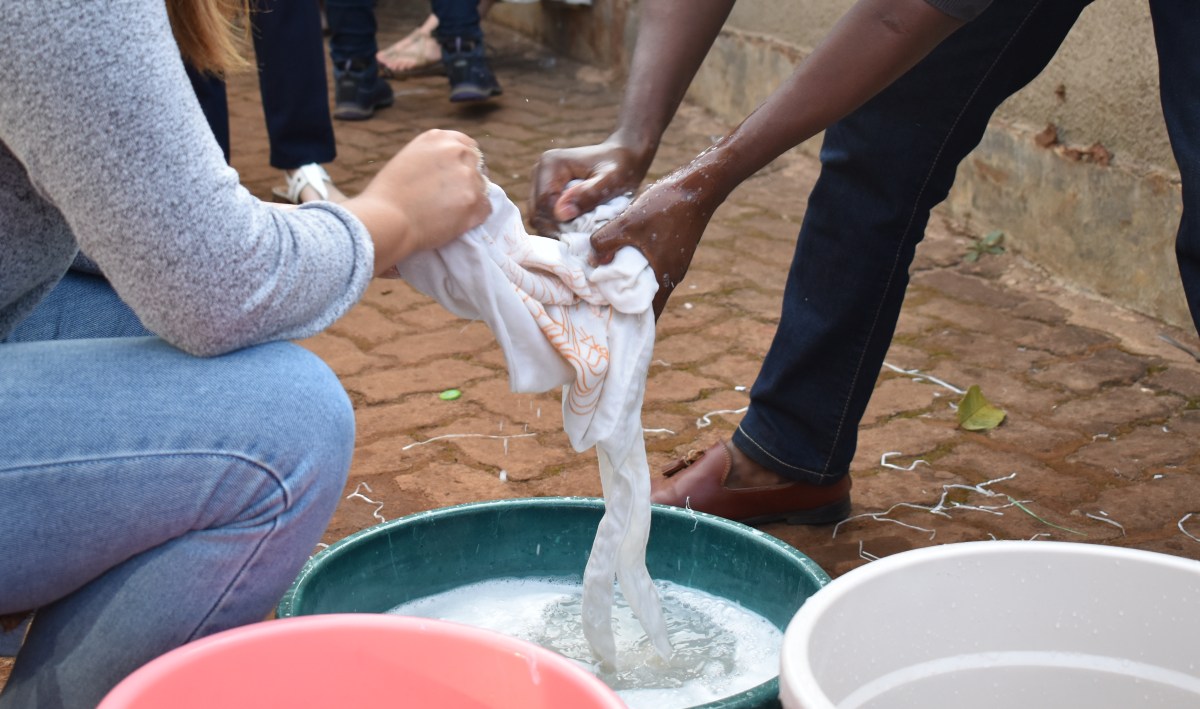
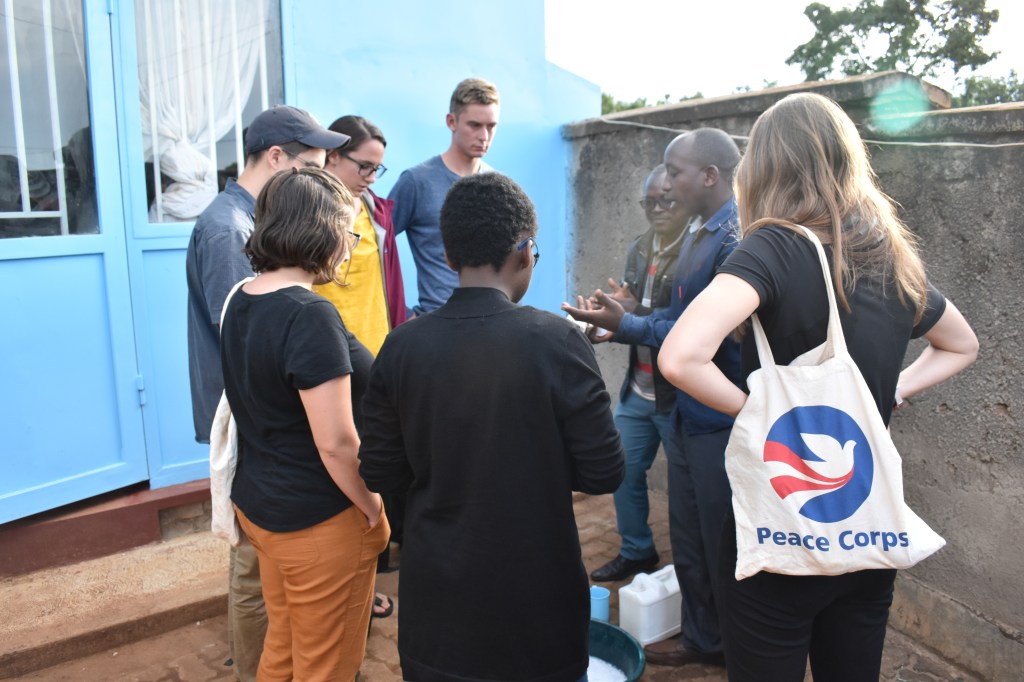
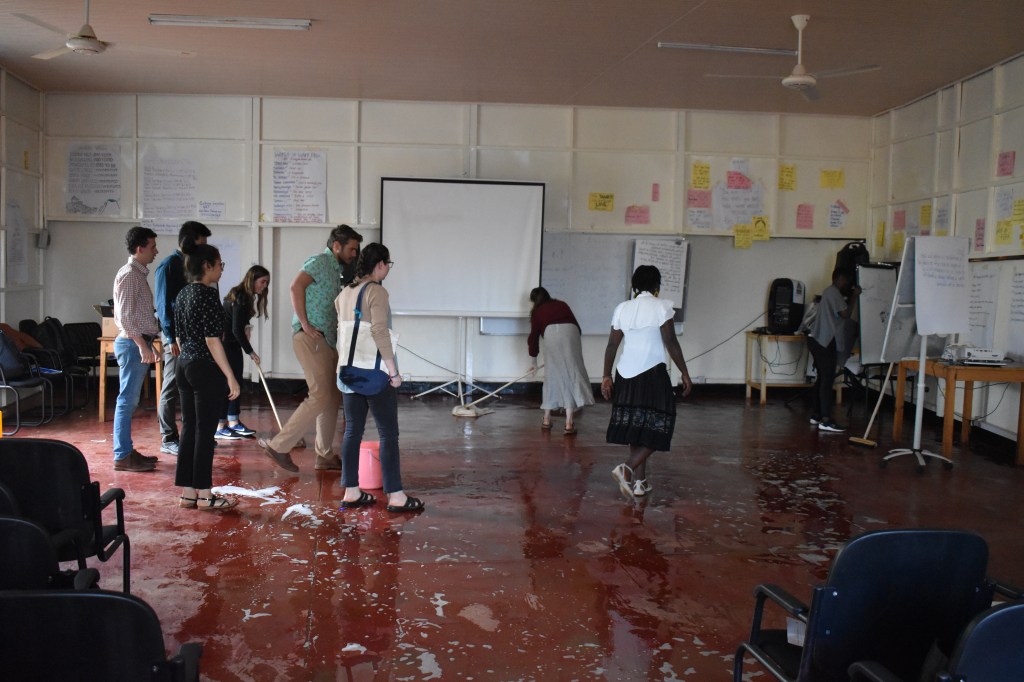
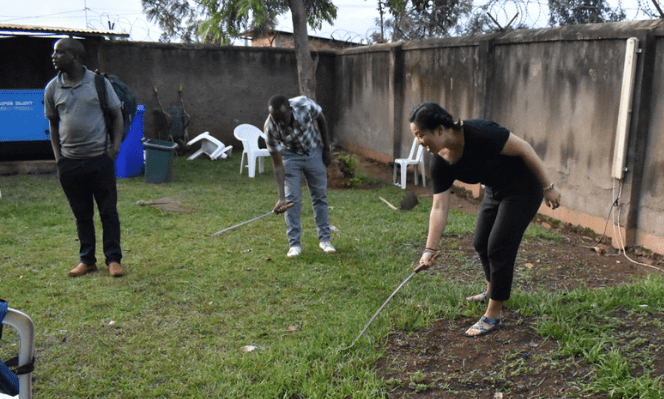
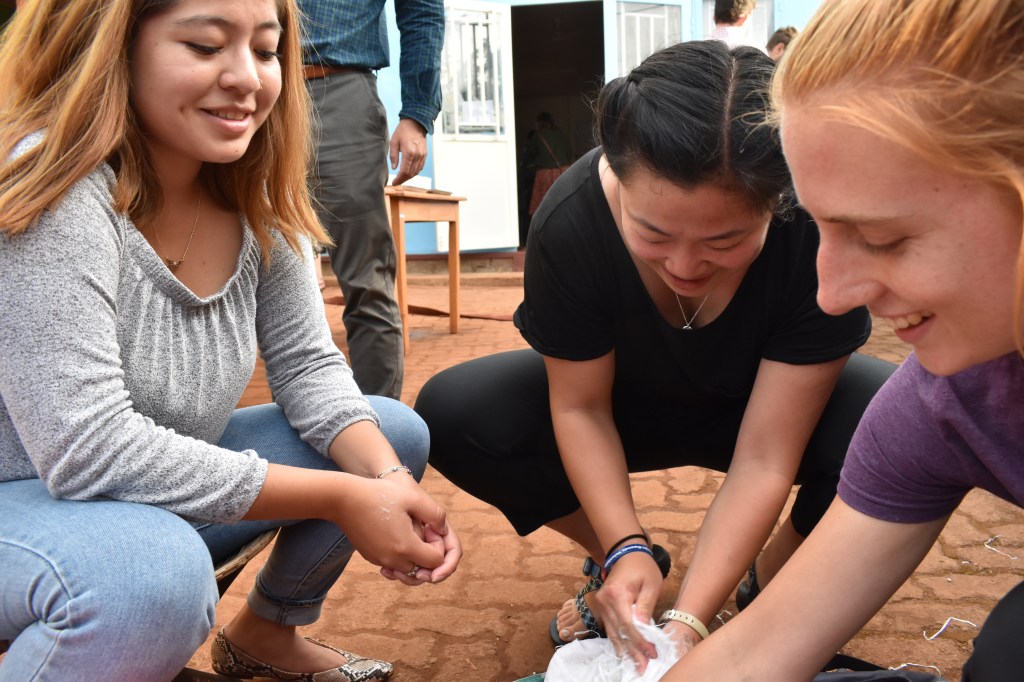
Practicing good hygiene is so important that our teachers had rotating stations where we learned how to mop the floor, trim the lawn, wash our bags and shoes. It’s important that we know how to do all of that using the local supplies so we can take care of ourselves and our homes properly once we get to our sites in December. 

Umuganda

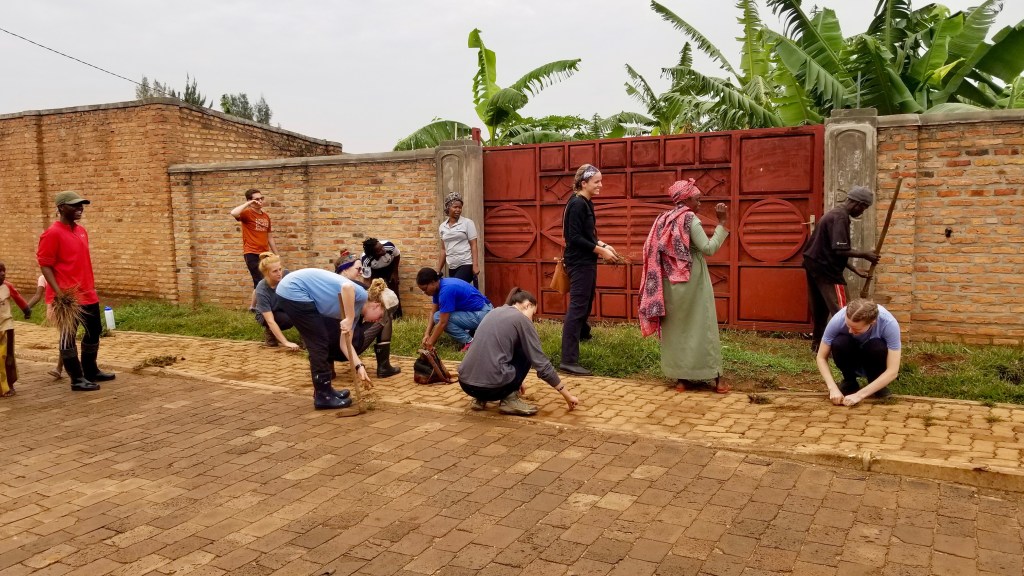
One week ago I had my first Umuganda. It’s a Rwandan tradition that dates back before the genocide and played a huge role in repairing the culture since then. The morning of the last Saturday of every month the community comes together for community service. The streets are empty and the markets are vacant because everyone stops what they’re doing to be part of this tradition. 

One of the few things my host mom points out to me about the Rwandan culture is the importance of knowing who your neighbor is. Everybody knows everybody and they all look out for each other. Umuganda is the perfect place to catch up with family and friends while working together to improve their neighborhood.

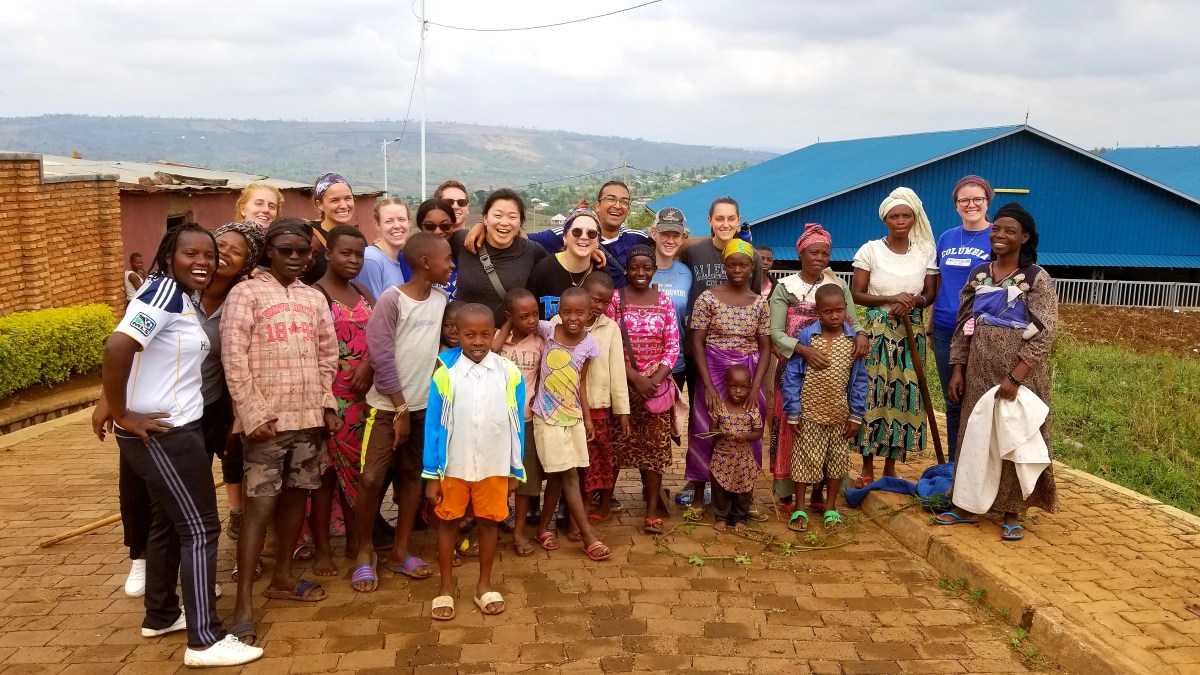
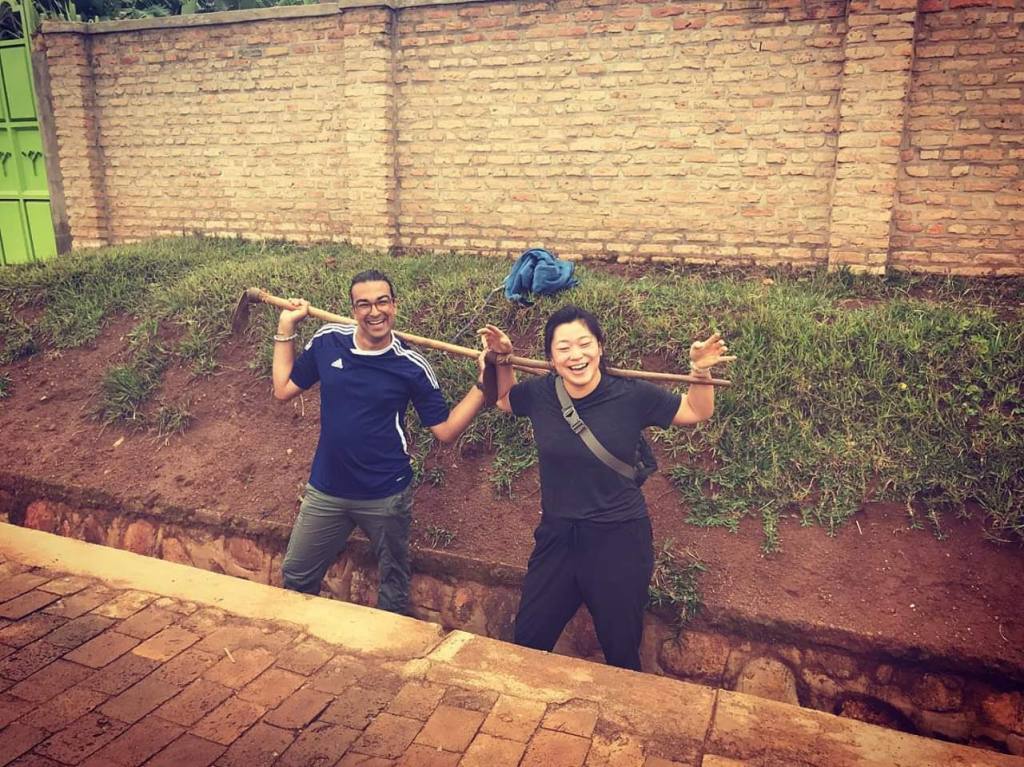
Projects vary depending on what the village chief wants to do – they can range from building latrines to painting a school building to a garbage pickup. My group and I were landscaping the sidewalks, cleaning the water drainage system, and topped it off by playing jumprope with some of the kiddos. 

Definitely looking forward to more of these Saturday mornings 🙂 

Site Placement

I have been anxiously awaiting today since arriving in country – our site placements!!

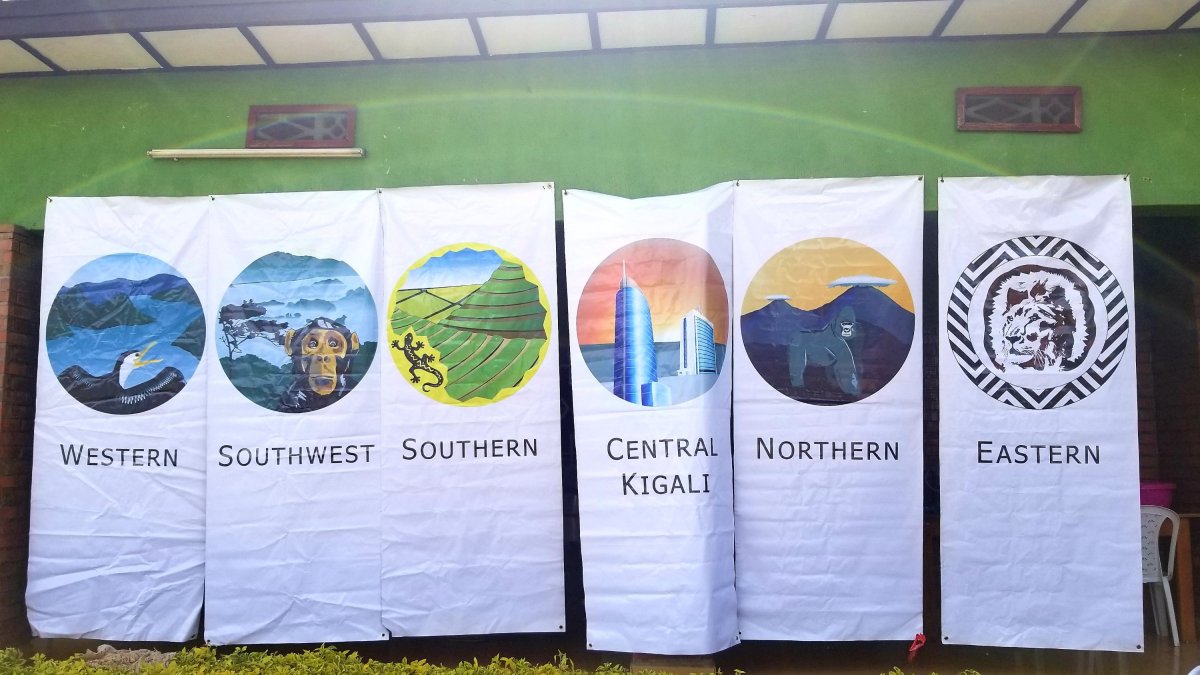
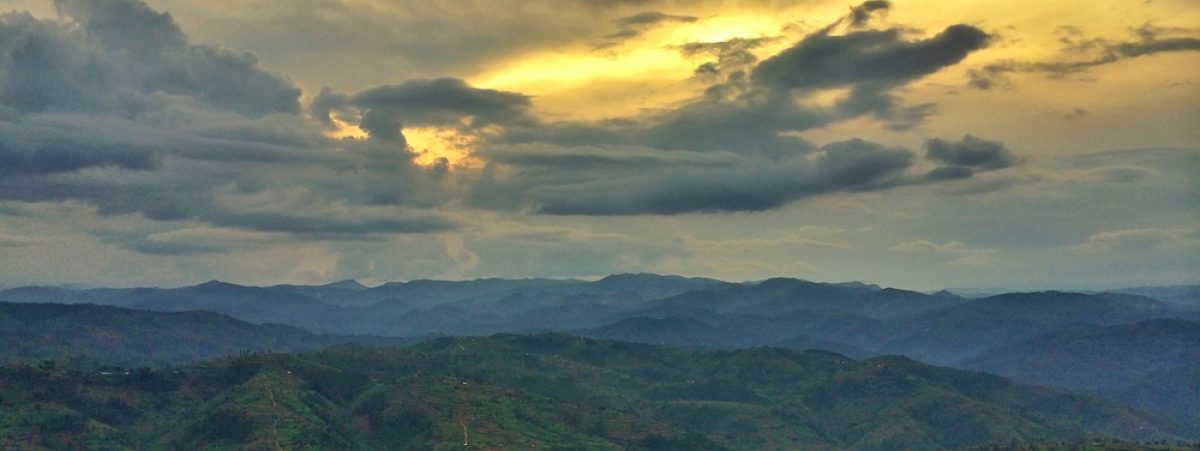
There are six regions where we could be placed. Though Rwanda is the smallest country in Africa, roughly the size of Rhode Island, it has vastly different climates depending on each province. The North and West are mountainous and cold, the East is like the savanna, while the South feels more like a rainforest and has a lot of rolling hills.

… Drum roll please …

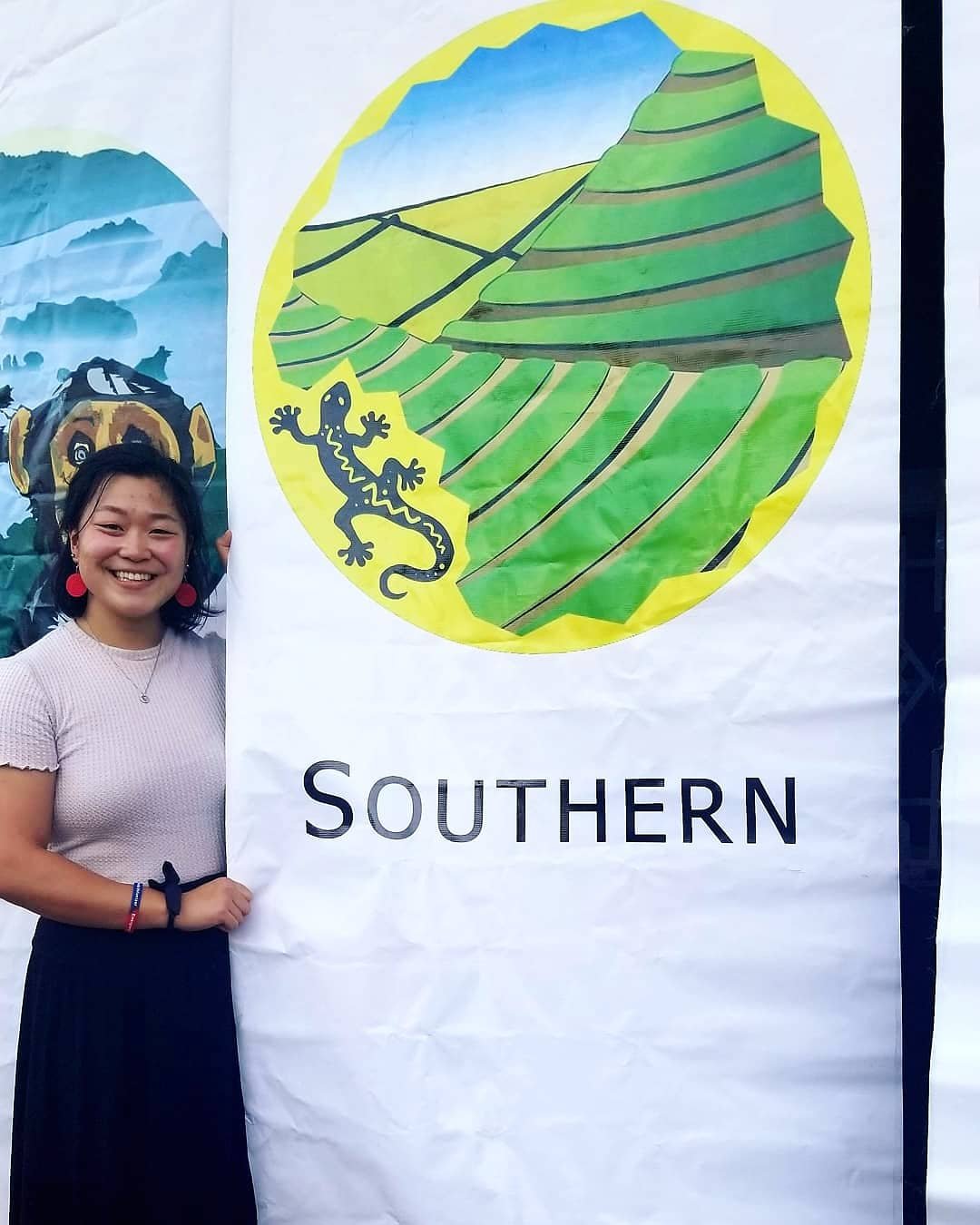
I’m so excited to call the Southern Province my next home for two years!

Southern gal 🙂
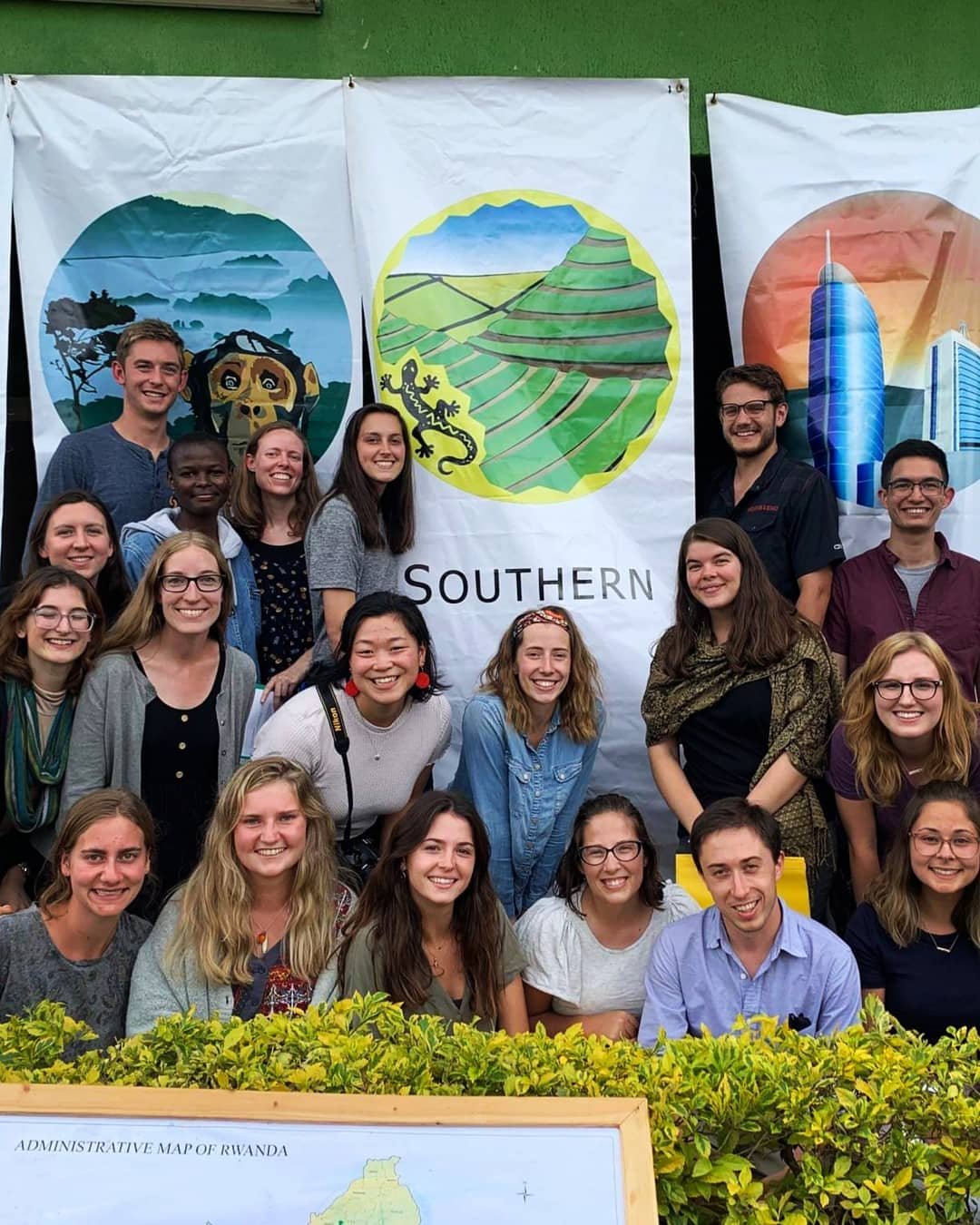
Health and Education Volunteers in the Southern Region!!
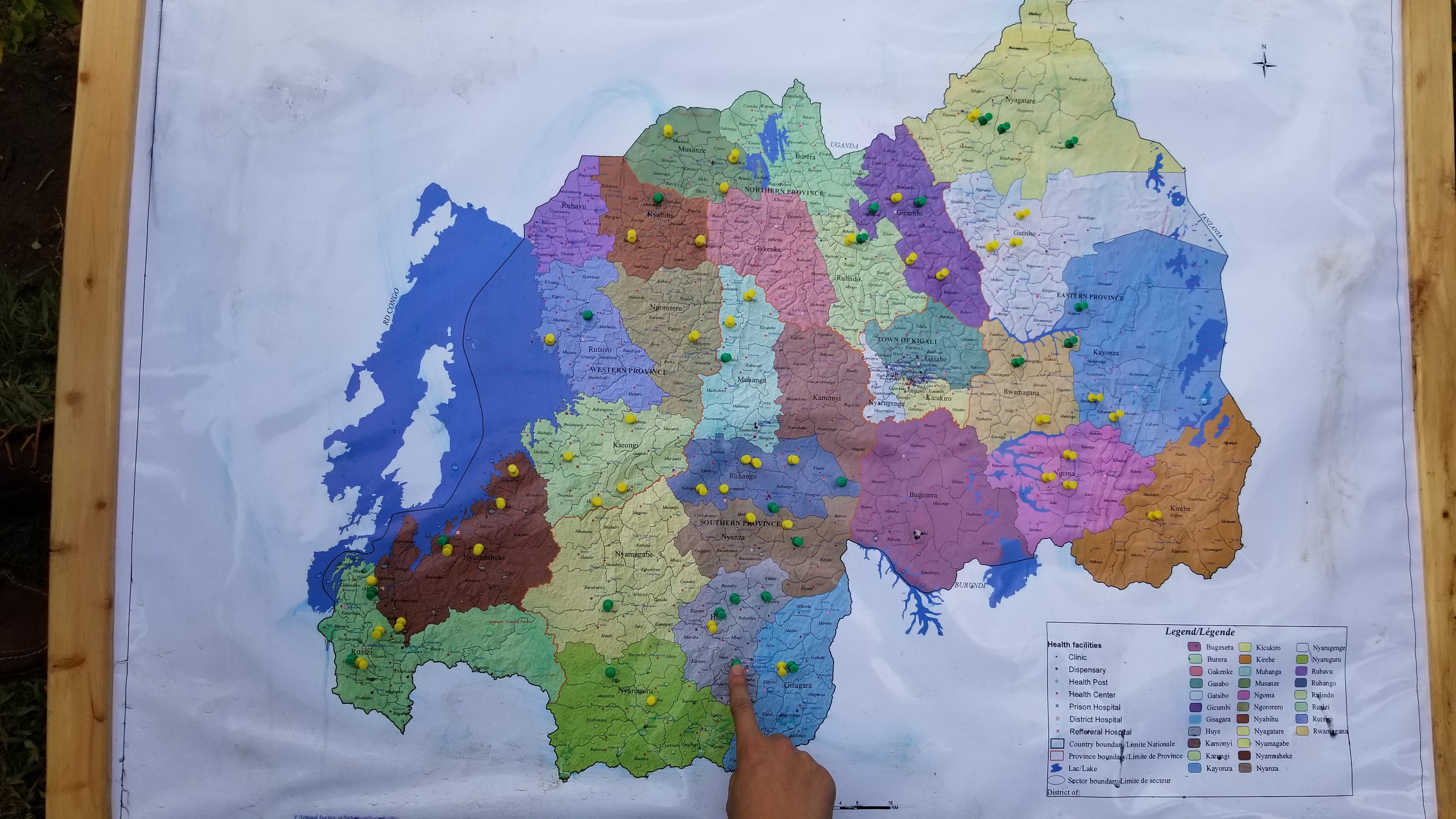
A map of everyone’s site (green are health volunteers, and yellow are education volunteets). Mine has the finger on it 👆🏼

A new initiative done by Peace Corps Rwanda is to focus on site specific goals to ensure sustainability. These are goals the community has communicated to PC and aims outlast the stay of the volunteer placed in that community. Though I’m in the Health Sector and am working on Maternal and Early Childhood Health Education, my site has two goals: 1) eliminate malnutrition, and 2) improve hygiene by implimenting handwashing stations and building 300 latrines. That’s right, 300 latrines. Don’t be surprised if I come back stronger from digging holes for the next two years.

Though I’m all the way in Rwanda, I hope you can picture a huge smile on my face. I’m beaming right now.

My First Week

Very happy in Rwanda 🙂

We’re almost at the 2 week mark since arriving in Rwanda!  Time has flown by so quickly because everyday has been packed with meetings, info sessions, Kinyarwanda language lessons, and socializing with the other 72 volunteers. The wonderful thing about this group is the combination of both Health (24 volunteers) and Education (49 volunteers) sectors, in previous years the sectors were trained separately. Before coming to Rwanda, we all met in Washington D.C. to have a brief, but intense orientation, initial introductions, and a reminder on what the Peace Corps is and what our responsibilities are. We all arrived in D.C. by Monday afternoon and we were on our way to the airport the next morning by 5am to officially embark on our journey. 

It was a long day of traveling, a 13 hour flight to Ethiopia, 3 hour layover, and a 2 hour flight to Rwanda. It’s a strange feeling knowing I arrived to the country I’d call home for the next two years.

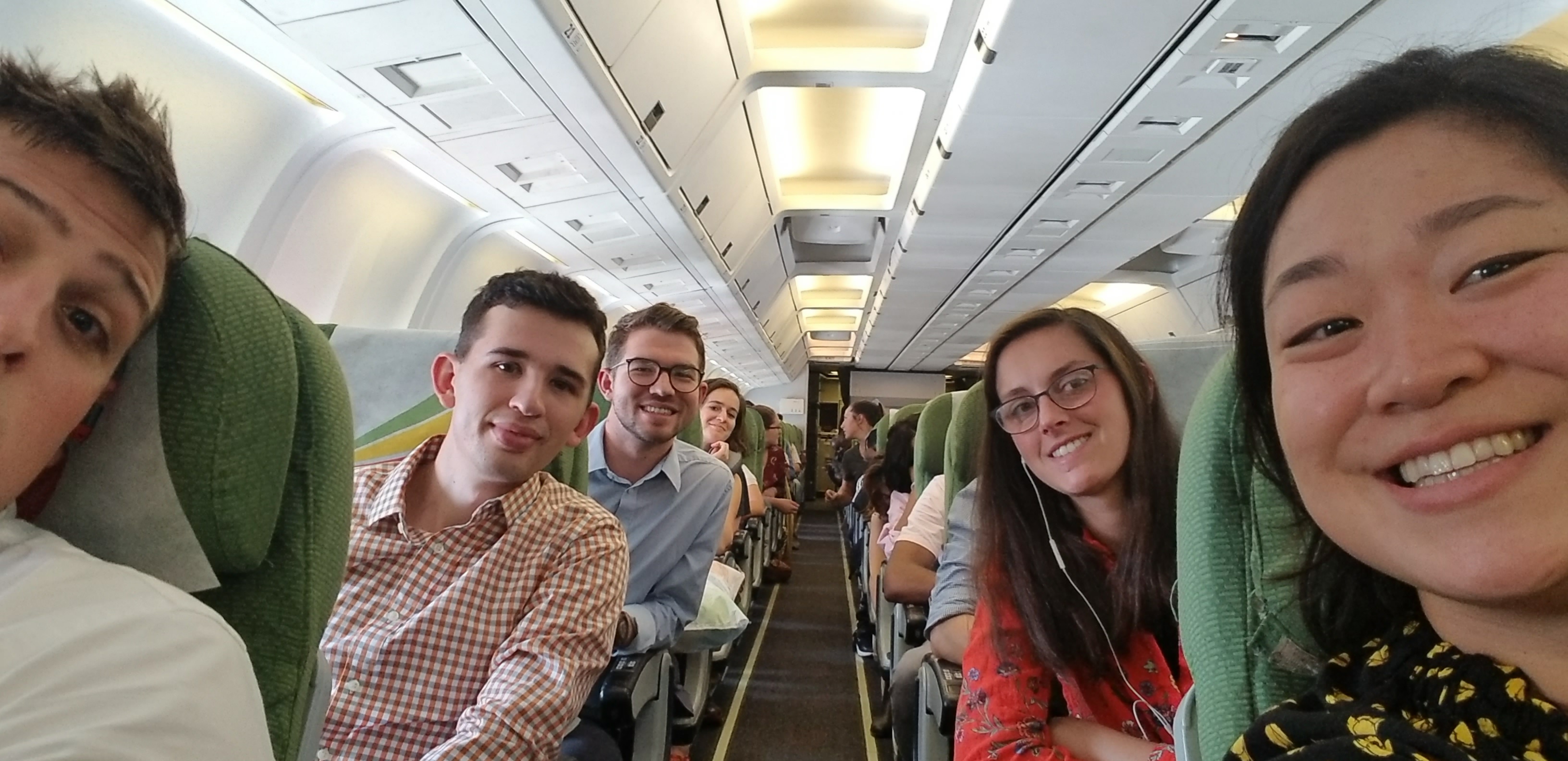
On the plane to Rwanda!!

From the Kigali airport, we went to a hotel where we spent the next two days meeting the staff, having interviews, meetings, language lessons, and completing a lot of paperwork. It felt like every hour was packed with activities until we left for our training site last Saturday. We drove ~2 hours to Rwamagana in the Eastern Province, our next home for the next three months while we train before being officially inducted as Peace Corps Volunteers. 

While we’re training, we live with host families who help us integrate into the Rwandan culture. They were waiting for us when we got to our training site. We were all anxiously awaiting our names to be called during the matching ceremony and to meet the family we’d call our own for the next three months. As each match was made, a roar of applause and cheers would erupt from everyone. It was pure joy. I remember my name being called and my host mom embracing me as she called me her daughter. 

The entire purpose of living with a host family during our training is to learn the Rwandan culture – how to store food without a refrigerator, work around power outages and water shortages, hand wash laundry, clean the house, cook using a charcoal stove, and honestly just how to cook. There’s so much to learn! The next three months are filled with training sessions and language lessons. Everything in our program is intended to make us the most successful volunteers we can be when we go to our sites in only three months.

Reflecting on the past two weeks, I think they were the most unpredictable and uncertain. When I got to DC, I didn’t know who the other volunteers were, who we’d be meeting in the Kigali airport, what the next two days in Kigali would be like, if we’d get SIM cards, who our host families were, and so much more. In the end, everything was figured out and worrying didn’t help. One of the biggest things I’ve had to embrace was not knowing – not knowing what the plan is, where we were going, how we’re getting there, etc. I’ll figure it out as we go. As an American, we seek psychological comfort in knowing when/where/who/how/why. What would knowing have changed other than just to knowing what the plan is, where we’re going, who we’re meeting etc.? 

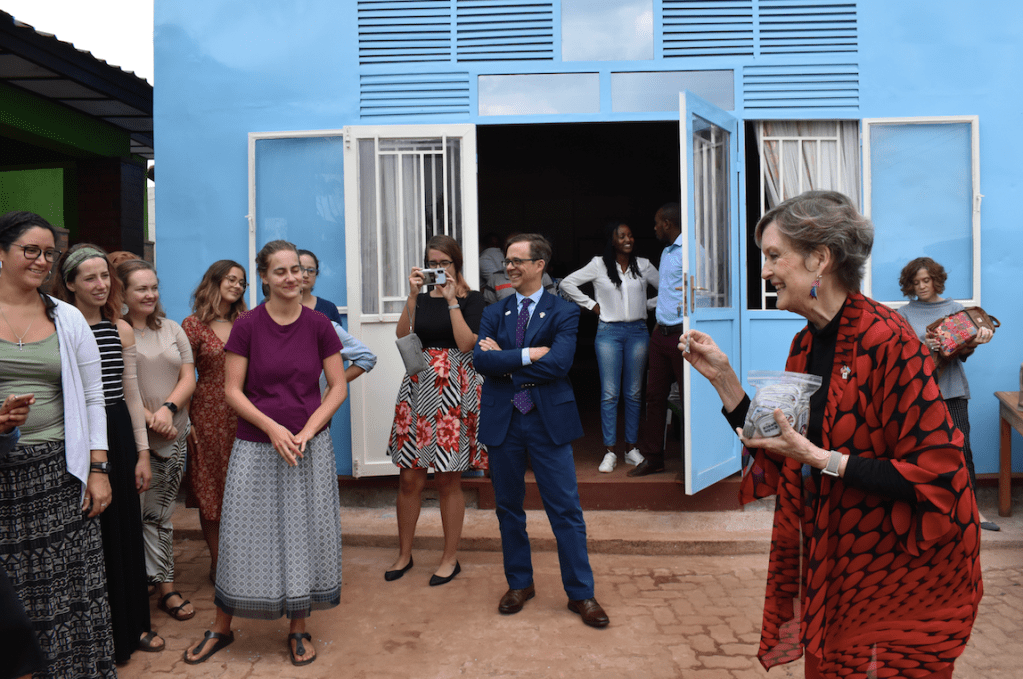
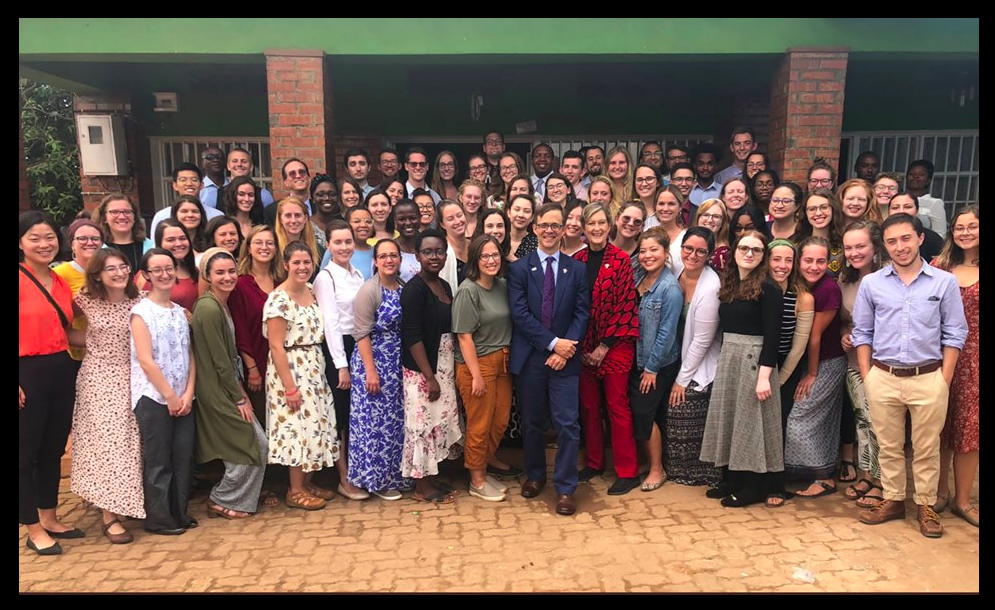
On Wednesday, September 25, we had TWO very special guests. The US Ambassador of Rwanda, Peter Vrooman, AND the Peace Corps Director, Jody Olson, visited us!! Can you believe that? It’s no surprise that Jody’s the director; she spoke eloquently about her experience as a volunteer over 50 years ago and how the skills she cultivated, challenges she overcame, and lessons she learned have continued to help her after her service. 

Vrooman is in the center and Olson is on the right.
Group photo with the Ambassador and the Peace Corps Director. I’m all the way on the left 👀
Design a site like this with WordPress.com
Get started